Primal Play in Practice: Active Play and Playful Movement
Primal Play in Practice is the practical movement library of the Primal Play Method®. Explore active play, playful movement, animal movement exercises, movement games, functional movement and strength activities that can be adapted for adults, families, different abilities and different settings.
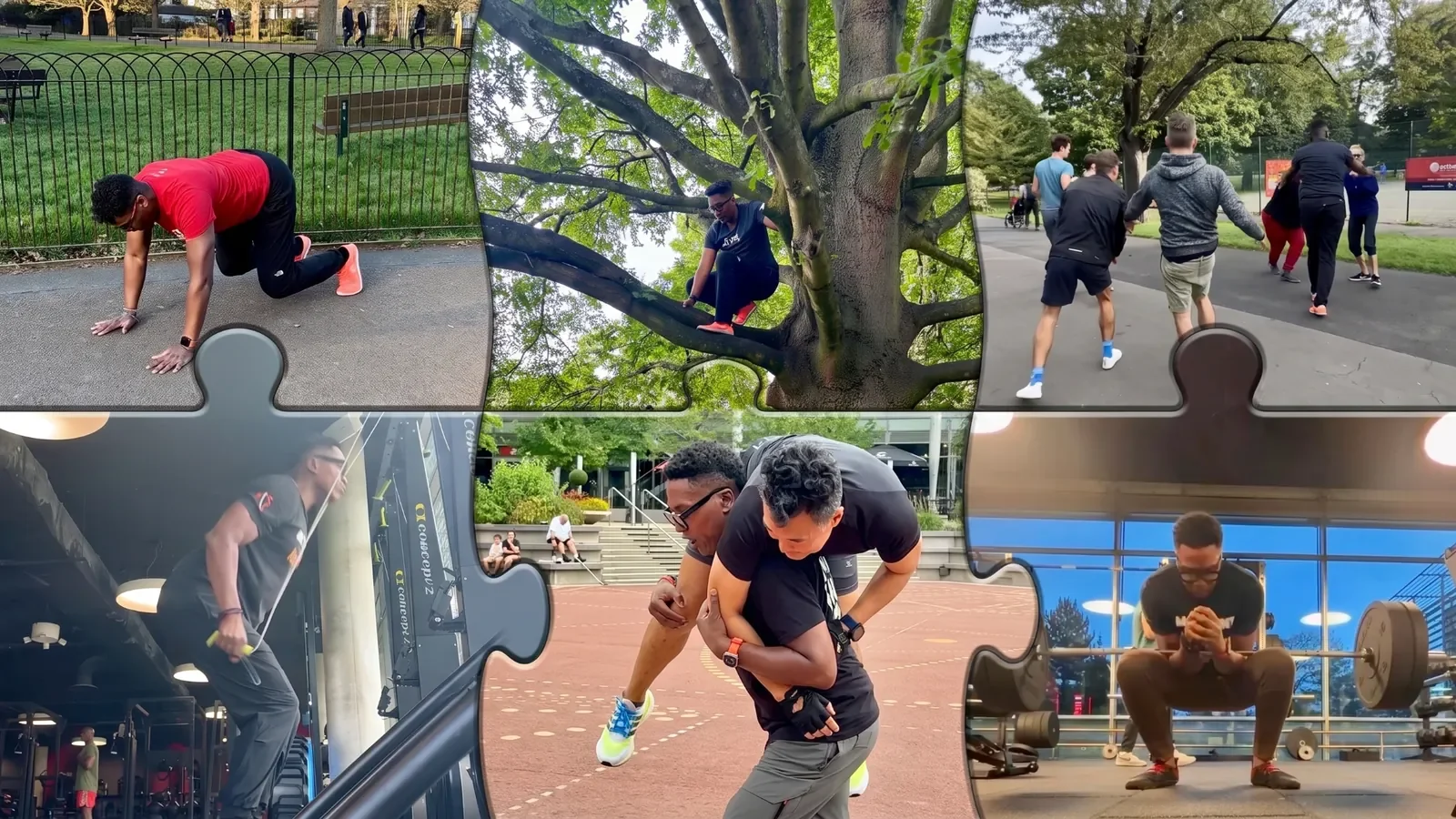
The library includes crawling, climbing, balancing, jumping, carrying, lifting, running, partner games and unconventional movement challenges. Each activity offers another way to build physical capacity while keeping movement varied, engaging and adaptable.
What is playful movement?
Playful movement uses physical activity as an opportunity to explore, practise skills, solve movement problems and enjoy moving.
It can include crawling, climbing, jumping, balancing, carrying, throwing, running, bodyweight movement and physical activity games.
The challenge can be adjusted to your ability, environment and goal. Some activities may develop strength or cardiovascular fitness. Others place greater demands on balance, coordination, movement skills or interaction with other people.
Within the Primal Play Method®, active play describes how movement is experienced and approached rather than one specific type of exercise.
Find movement ideas for your goal
Different movement activities create different challenges. Use the Primal Play in Practice library to explore activities that develop:
Strength and physical capacity
Try carrying, lifting, squatting, pushing, pulling and bodyweight movement exercises.
Balance and coordination
Explore climbing, crawling, landing, locomotion and movement challenges that require control and adaptation.
Movement skills
Practise jumping, running, climbing, balancing, hanging and moving across the ground.
Cardiovascular fitness and conditioning
Explore running, sprinting, jumping and higher-intensity movement challenges.
Social movement and active play
Try partner activities, cooperative challenges, competitive games and physical activity games.
Movement variety
Explore animal movements, unusual movement combinations and different ways to use familiar environments and equipment.
Animal & Ground Movement
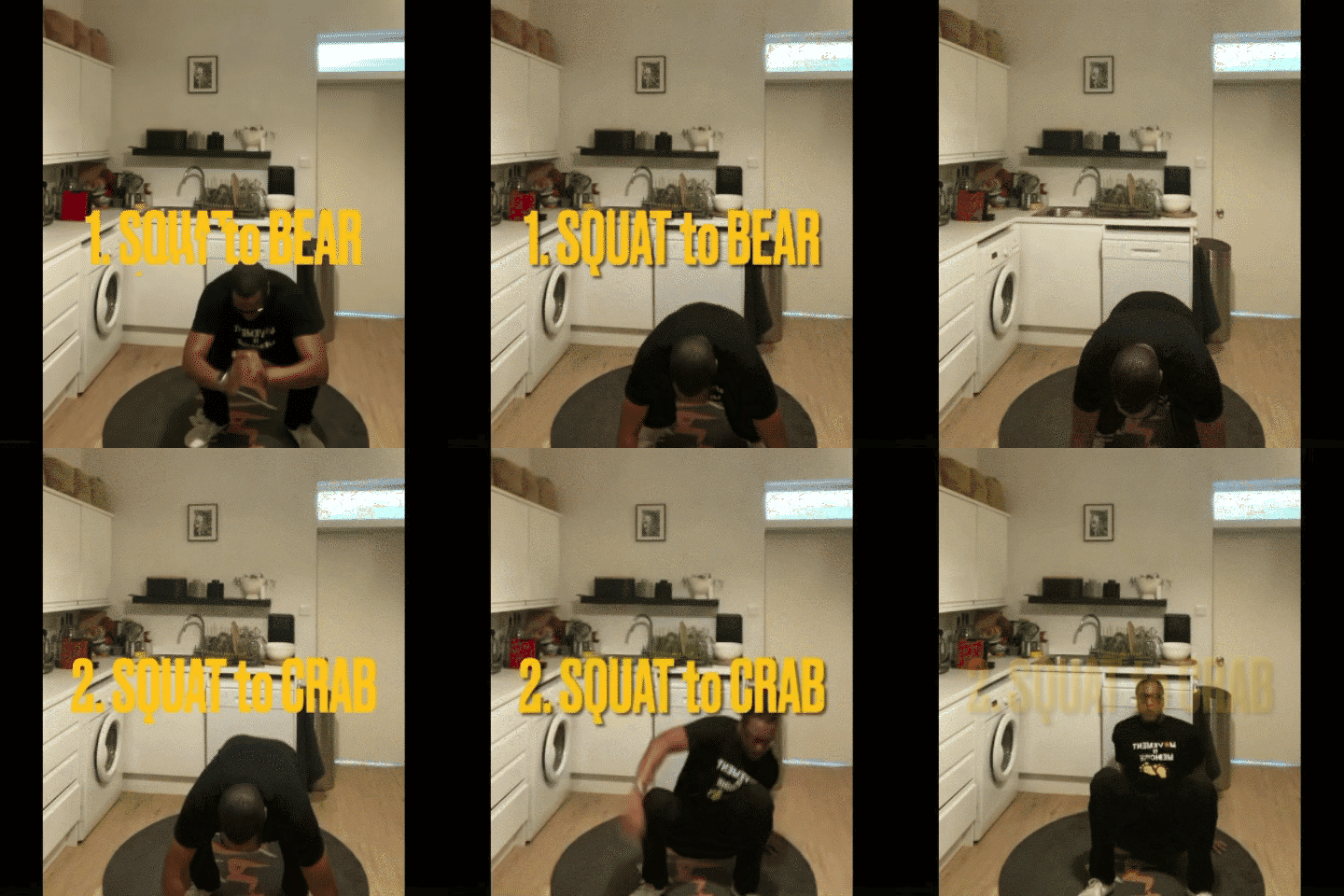
Explore animal movement exercises and animal walks, crawling, quadrupedal movement, squatting and other ground-based movement patterns. These activities can challenge coordination, mobility, strength and whole-body movement control.

Movement Skills & Exploration
Explore movement skills including balance, coordination, climbing, hanging, jumping, landing and locomotion. These adaptable movement challenges can develop body control, spatial awareness and confidence across different environments.


Partner & Social Play
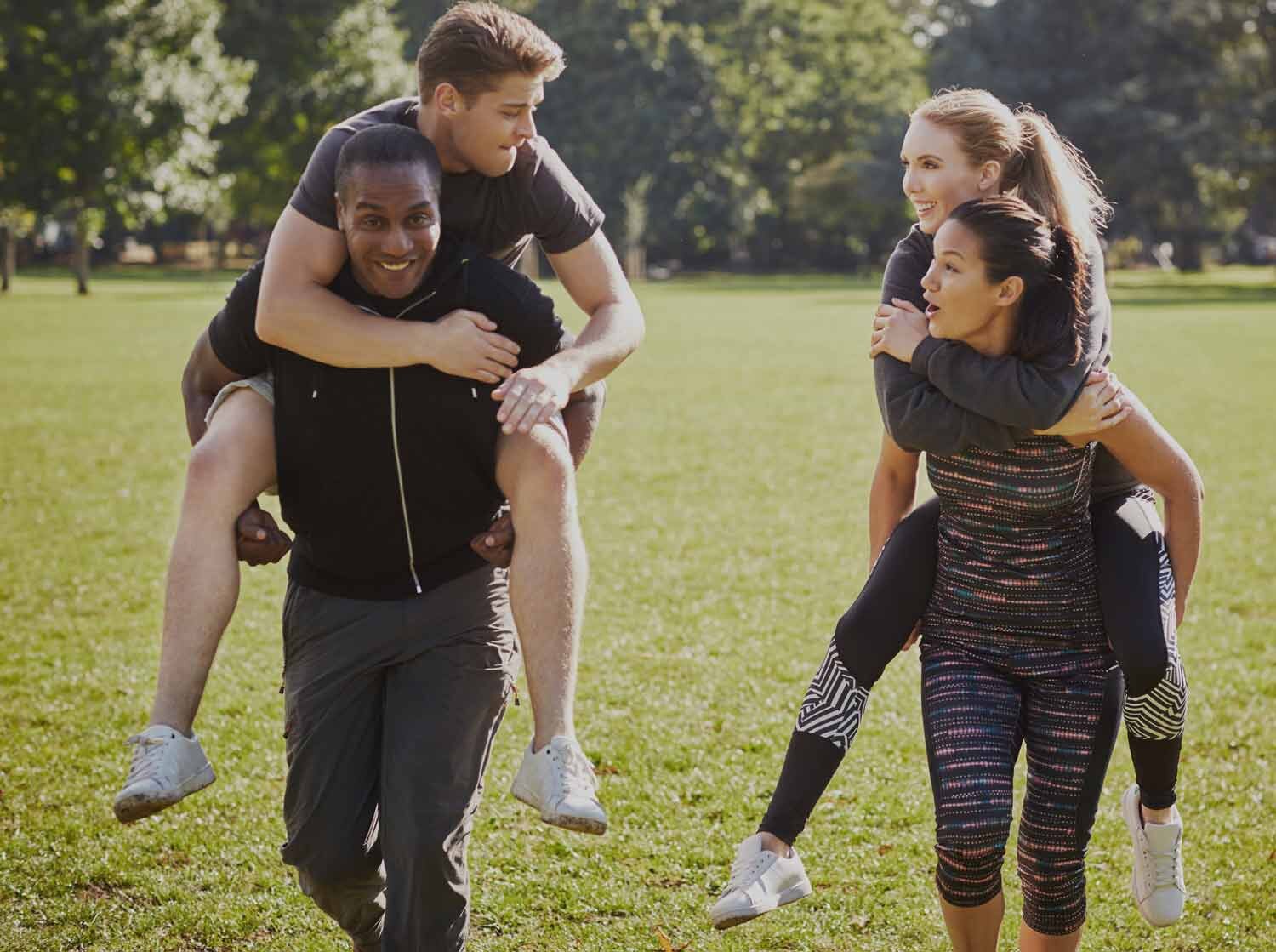
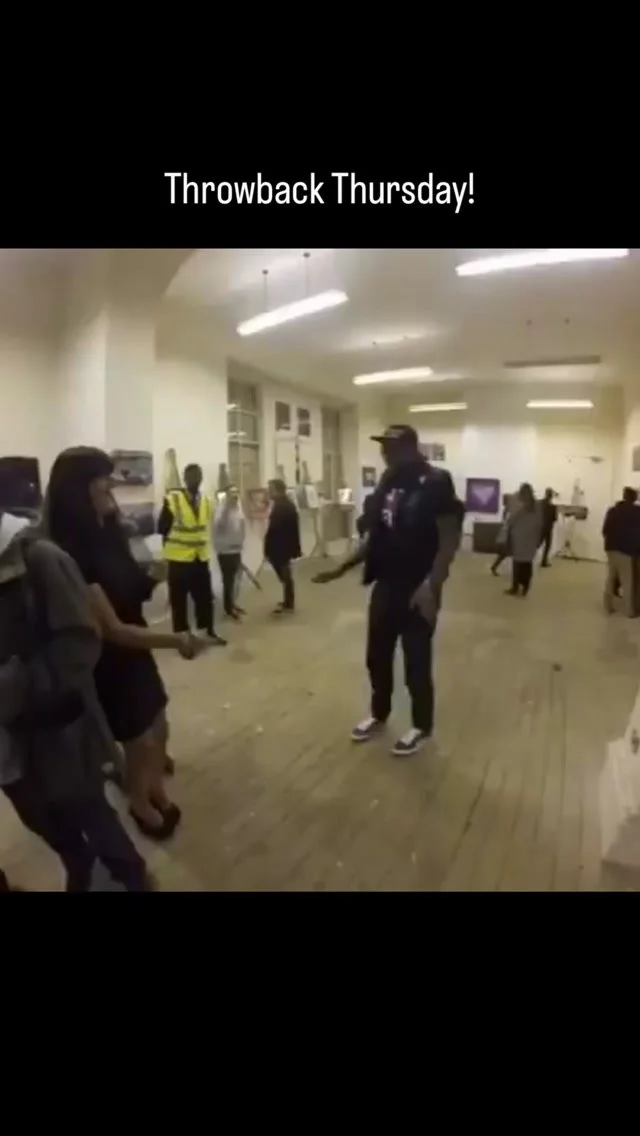
Explore movement games, partner challenges, cooperation, competition and shared active play. These physical activities can be adapted into movement games for adults, families or groups by changing the rules, space, speed or level of challenge.


Power, Speed & Conditioning
Explore sprints, jumps, SkiErg work and other high-intensity movement challenges that develop power, speed and cardiovascular fitness. These activities show how movement can include demanding physical work as well as skill and exploration.


Explore a playful lower-body jumping challenge performed from a low squat. Learn the technique, easier options and turning variations.
Functional Strength, Lifting & Carries
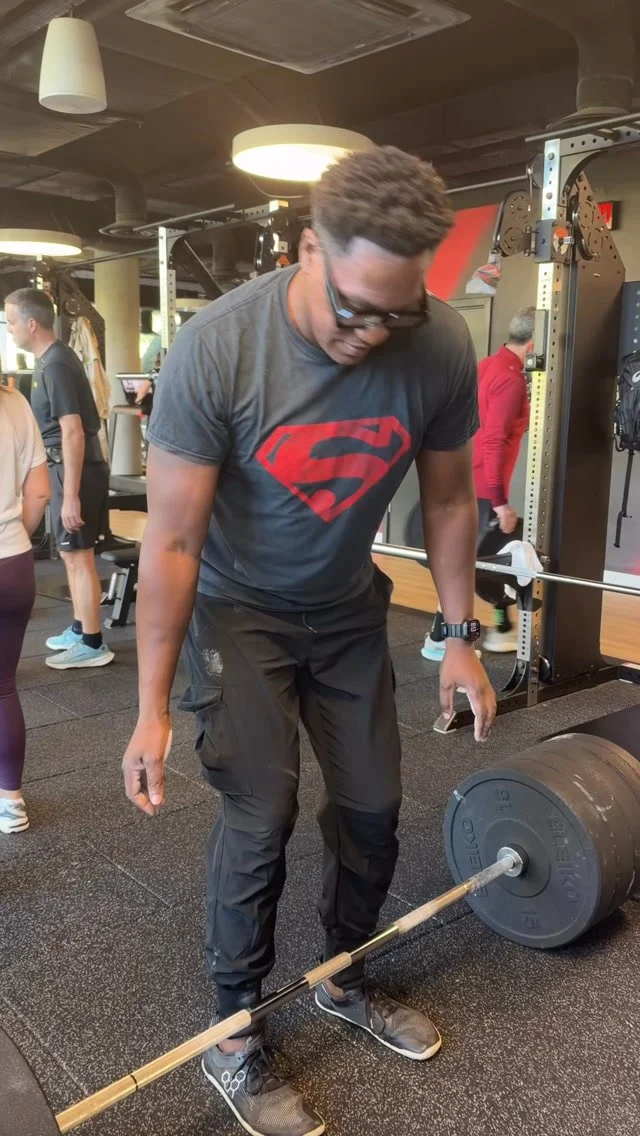
Explore functional movement exercises including carrying, lifting, squatting, pushing and pulling, alongside bodyweight movement exercises such as push-ups and squats. These activities can develop strength and physical capacity for movement, recreation and everyday tasks.


Unconventional Gym Movement
Explore familiar gym equipment in less conventional ways through unusual movement combinations, crawling, locomotion and physical challenges. These examples show how changing the task can create new movement problems using familiar equipment.


Active Play for Adults: Games, Activities and Movement Ideas
Active play for adults can include movement games, partner challenges, crawling, climbing, balancing, throwing, carrying, sprinting and strength-based activities.
Some activities work individually. Others work well as active group activities for adults, families or mixed-age groups.
Active play can take place outdoors, in a gym, at home or in another suitable indoor space. You can adapt the activity by changing the rules, distance, speed, equipment or level of challenge.
The aim is to find movement that suits your abilities, environment and interests while developing useful physical capacities such as strength, balance, coordination and cardiovascular fitness.
Active play examples for adults
Examples include:
Bear crawl challenges
Partner tag games
Throwing and catching games
Balance challenges
Carrying games
Crawling races
Cooperative movement challenges
The Science Behind the Movement
The Primal Play Method® draws on four scientific pillars:
Evolutionary biology helps explain the diversity of human movement and the physical capacities shaped by our evolutionary history.
Exercise physiology explains how movement can develop strength, cardiovascular fitness, power and physical function.
Cognitive neuroscience helps explain coordination, perception, motor learning, attention and adaptation during movement.
Play psychology examines enjoyment, autonomy, challenge, curiosity, social interaction and continued participation.
Together, these domains help explain both the physical demands of movement and the experience that may influence whether people keep participating.
Movement for Health and Physical Function
Movement can be adapted to support physical activity participation, strength, mobility, balance, cardiovascular fitness and everyday physical function. The activities in this library are examples, not universal exercise prescriptions.
Movement Is Medicine →
Healthy Ageing and Physical Function →
Exercise Oncology →
Frequently Asked Questions About Active Play
What is active play?
Active play is physical activity approached through play. It can involve running, jumping, climbing, crawling, balancing, throwing, carrying, games and movement challenges. Active play can vary greatly in intensity, structure and physical demands.
What is playful movement?
Playful movement combines physical activity with features such as exploration, choice, challenge, curiosity, feedback or social interaction. The activity itself may be familiar. The playful element comes from how the movement is experienced and approached.
Can adults use active play as exercise?
Yes. Active play for adults can include movement games, crawling, climbing, carrying, throwing, balancing, sprinting and strength-based challenges. The activity can be adapted to create light, moderate or vigorous physical demands depending on the participant and the task.
What are animal movement exercises?
Animal movement exercises use movement patterns inspired by animal locomotion. Examples include bear crawls, duck walks and other quadrupedal or ground-based movements. They can challenge strength, coordination, mobility and movement control in different ways.
What are functional movement exercises?
Functional movement exercises develop physical capacities used across everyday life, recreation and sport. They can include squatting, lifting, carrying, pushing, pulling, climbing, crawling and locomotion. The value of an exercise depends on the individual's goal and context.
What movements can improve balance and coordination?
Activities involving crawling, climbing, landing, changing direction, balancing, throwing, catching and responding to changing environments can challenge balance and coordination. The difficulty should match the participant's current ability.
What are some active group activities for adults and families?
Active group activities can include tag games, movement relays, partner challenges, throwing games, cooperative obstacle courses, balance challenges and team movement problems. Activities can be adapted by changing the rules, group size, available space and physical difficulty.
Do you need equipment for active play?
No. Many active play activities use bodyweight movement, space and interaction with other people. Equipment can add variety, but crawling, jumping, balancing, running, squatting and many movement games can be performed with little or no equipment.
What active games can adults play indoors?
Adults can use indoor movement games such as partner challenges, balance games, crawling activities, throwing and catching games, movement relays and simple obstacle courses where space allows. Choose activities that suit the available space, surface, equipment and abilities of the people taking part.

Learn how to perform the Bear Crawl, what it trains, and how to make this quadrupedal movement easier, harder or more playful.