
What is the Primal Play METHOD®?
The Primal Play Method® is an evidence-informed approach to physical activity. It uses active play to make movement enjoyable, adaptable and easier to sustain across the lifespan.
The Method supports physical activity participation, health, fitness and physical function.
Who created the Primal Play Method®?
The Primal Play Method® was created by Darryl Edwards, an exercise medicine practitioner, author and speaker. He developed the Method around active play, physical activity adherence and an integrated four-pillar scientific framework.
“The most popular day to exercise is tomorrow. The Primal Play Method® offers another way to make movement more enjoyable and easier to repeat.”
The Four Scientific Pillars of the Primal Play Method®
The Primal Play Method® is grounded in four scientific domains: evolutionary biology, exercise physiology, cognitive neuroscience and play psychology.
Explore the four scientific pillars of the Primal Play Method®
Together, they help explain why movement matters, how people experience and learn movement, and what physical and psychological demands different activities create.
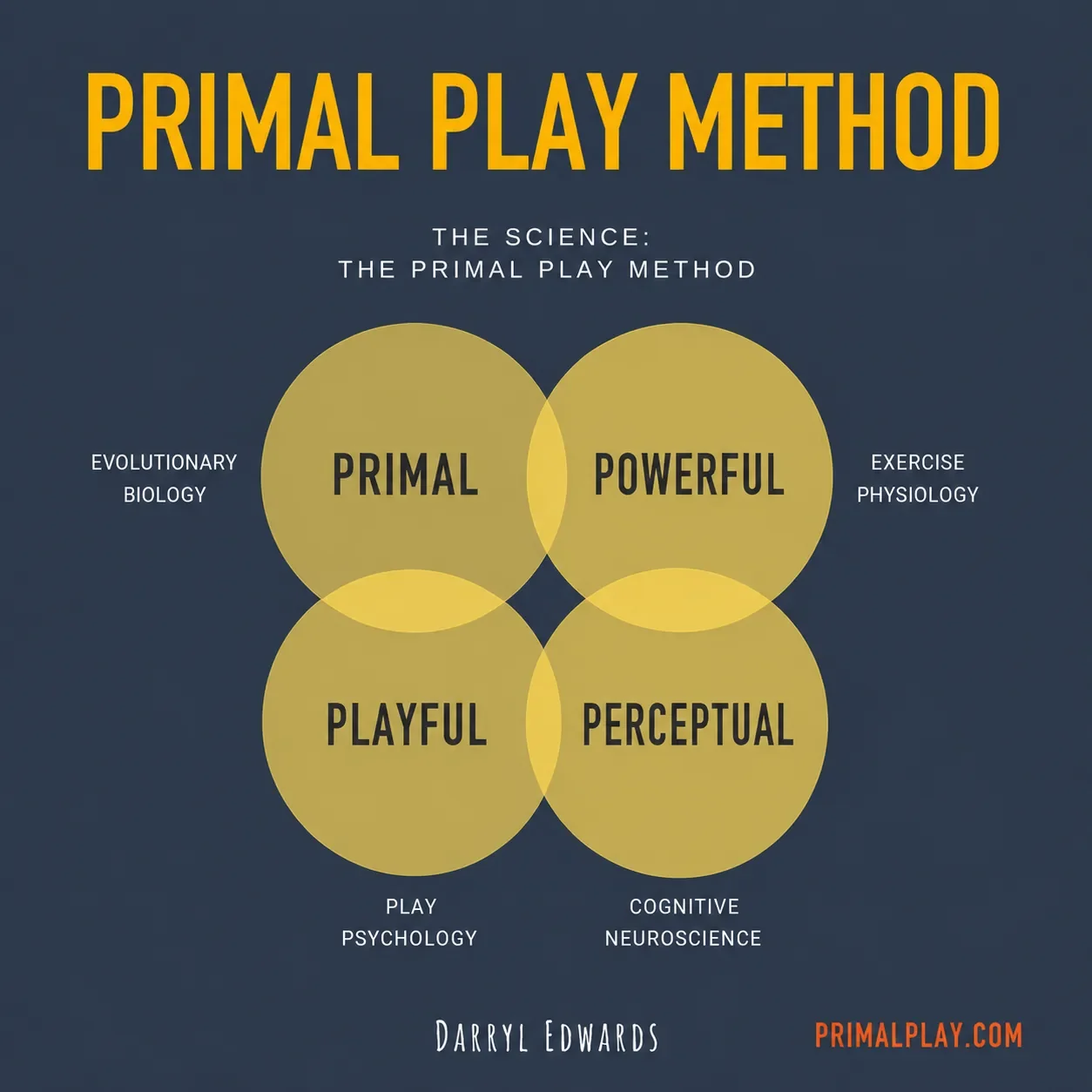
These scientific domains inform four movement principles: Primal, Powerful, Playful and Perceptual.
Evolutionary Biology
Examines human physical activity and movement diversity through an evolutionary lens. In the Primal Play Method®, it helps explain the value of varied movement for physical capacity and adaptability.
Evolutionary Biology and Human Movement
Exercise Physiology
Explains how the body responds to movement and gets fitter, stronger and more capable over time. In the Primal Play Method®, it helps guide what movement to use and how much is needed.
Exercise Physiology and Active Play
Cognitive Neuroscience
Explains how movement involves attention, perception, decision-making and learning. In the Primal Play Method®, it helps shape how movement challenges the brain and body together.
Cognitive Neuroscience and Active Play
Play Psychology
Looks at psychological factors that influence enjoyment, motivation and continued participation. In the Primal Play Method®, it helps shape how movement is experienced and whether people are willing to return.
Play Psychology and Physical Activity Adherence
Explore the Exercise Science Research
Movement that you want to come back to
Physical activity can improve health, fitness and physical function.
The challenge is doing enough of it, often enough, for those benefits to develop and continue.
The Primal Play Method® addresses both the physical stimulus and the experience of movement.
It sits within a wider exercise medicine framework:
WHY → HOW → WHAT → DOSE → REPEAT
WHY
Why does movement matter to you?
HOW
How can movement feel engaging, meaningful and achievable?
WHAT
What type of movement supports your needs and goals?
DOSE
How much is appropriate?
REPEAT
Can you keep doing it, adapt it when life changes and return when you stop?
The Primal Play Method® places particular emphasis on HOW and REPEAT.
Physical adaptation depends on sufficient exposure to an appropriate stimulus over time.
What does a Primal Play Method® session look like?
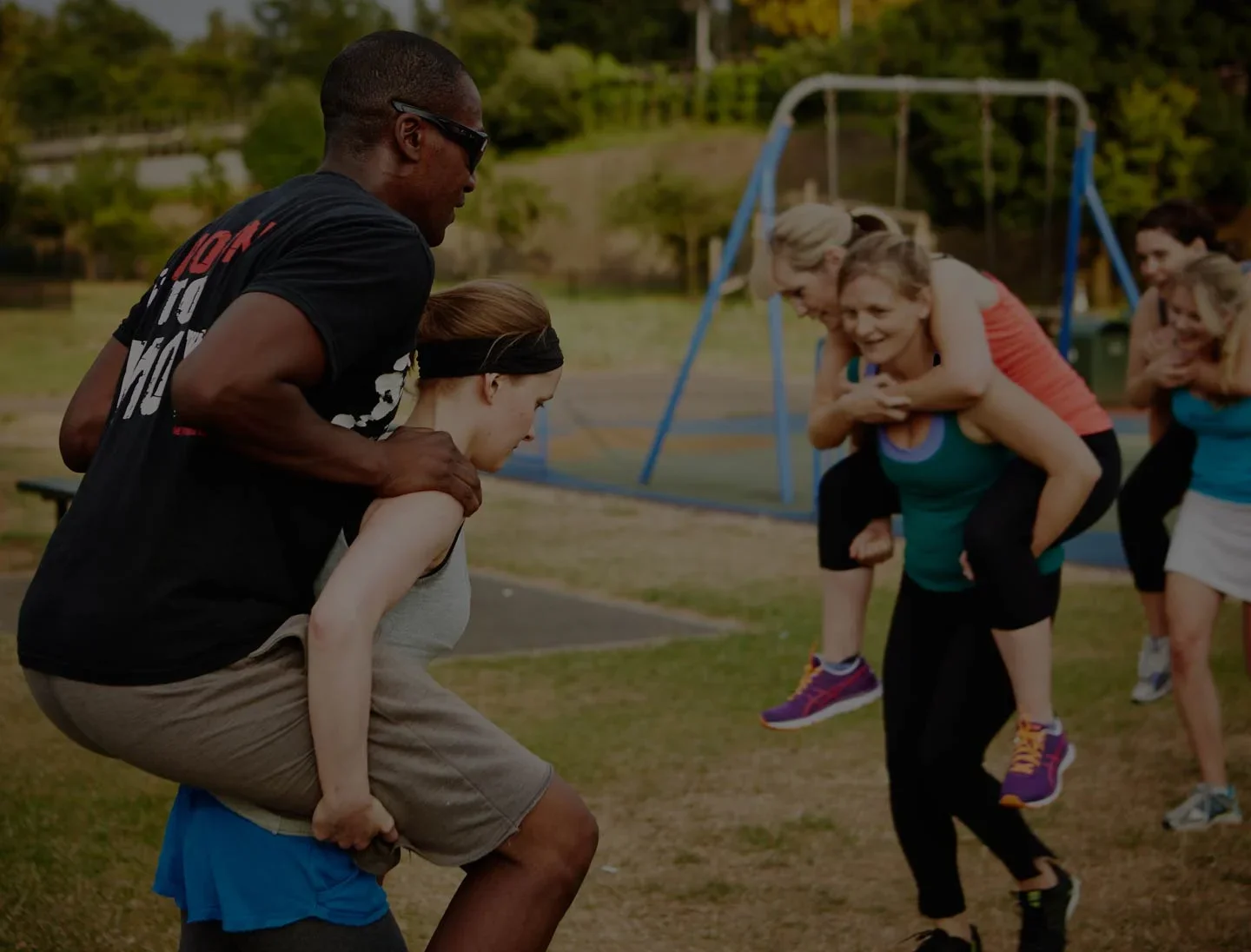
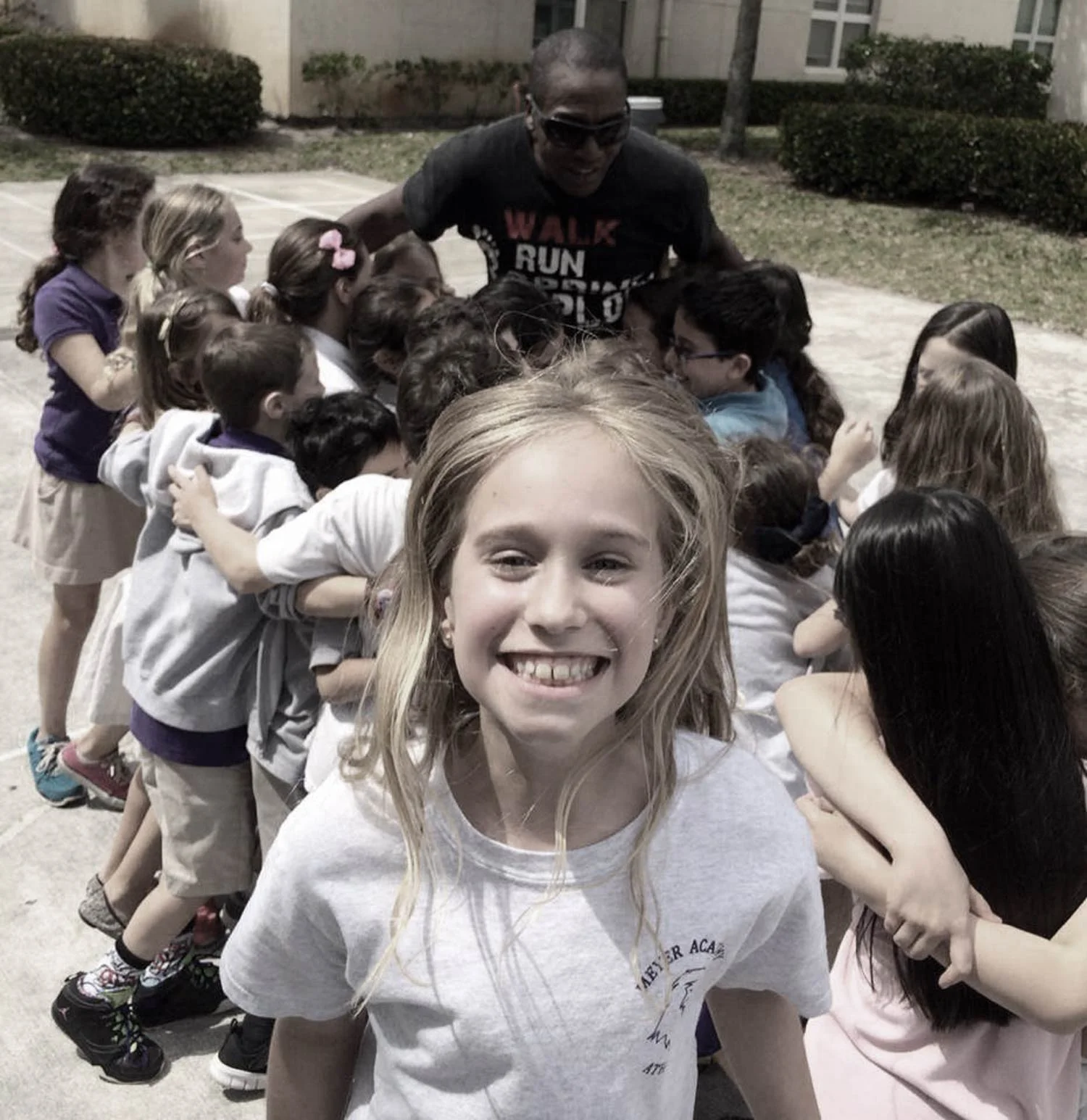
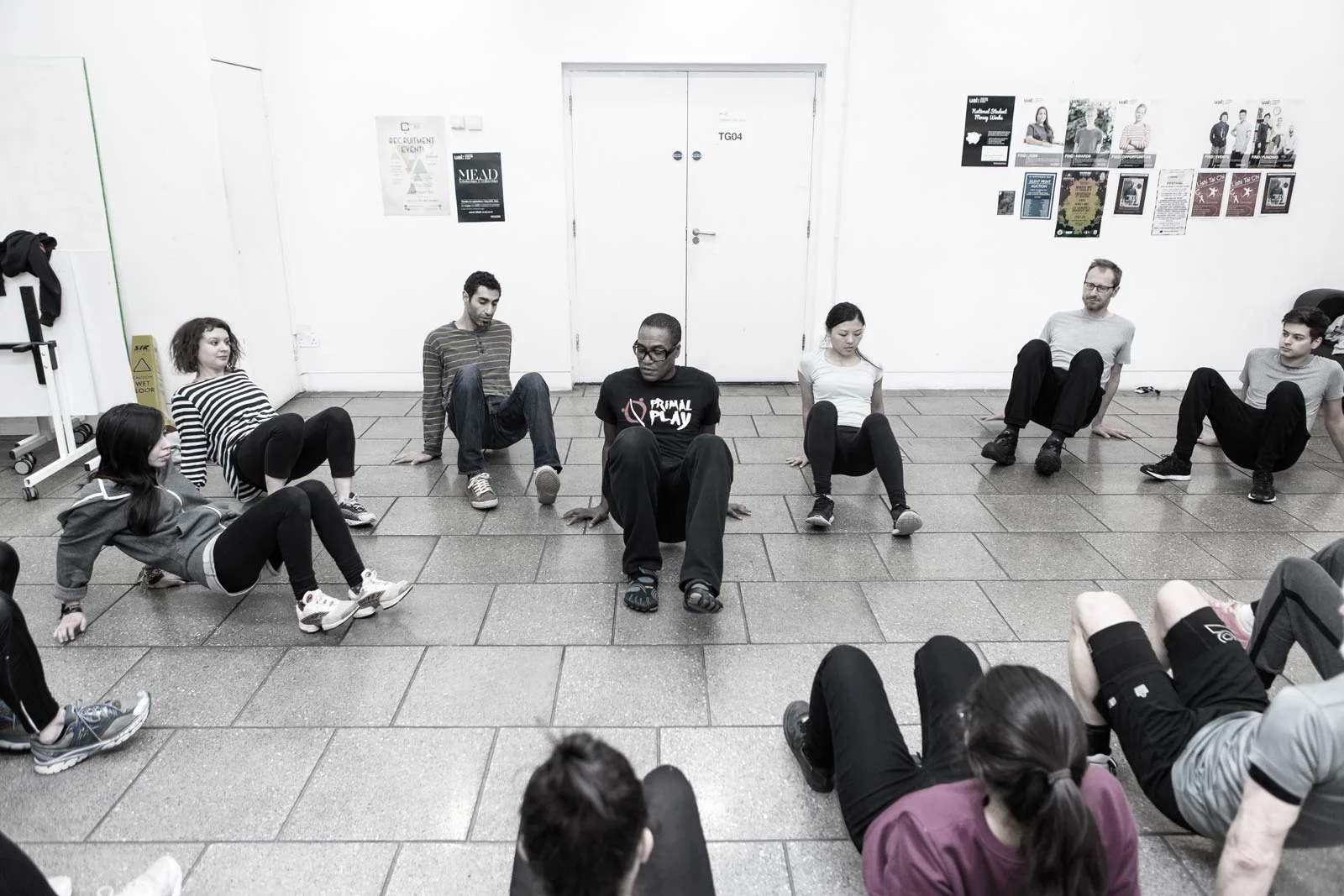
A Primal Play Method® session uses playful movement, games, individual, partner and group challenges, and adaptable movement tasks. Sessions can develop strength, mobility, balance, coordination, cardiovascular fitness, cognitive challenge, and social interaction, depending on the participant and intended outcome.
Primal Play Method® in Action
HOW DOES THE PRIMAL PLAY METHOD® Work?
The Method combines varied physical activity with principles drawn from play.
A session might involve strength, locomotion, balance, coordination, mobility, cardiovascular activity, reaction or movement problem-solving.
It may be done alone, with a partner or as part of a group.
The activity changes according to the person.
The underlying goal remains consistent:
Create movement that provides a useful physical stimulus and that you are willing and able to repeat.
That may mean making a task more challenging.
It may mean reducing the difficulty.
It may mean introducing choice, curiosity, competition, cooperation, imagination or feedback.
And sometimes it simply means changing how you approach familiar movement.
“Play is not the activity, but the attitude.”
Why use play?
Many people know physical activity is good for them.
Knowledge alone does not determine behaviour.
Health, pain, fatigue, confidence, opportunity, environment, time, habits, motivation and previous experiences all influence whether someone stays physically active.
The experience itself matters too.
Research on physical activity motivation supports the relevance of factors such as autonomous motivation and perceived competence. Research also suggests that variety can support enjoyment, interest and engagement with physical activity.
Play provides a practical way to work with some of these factors.
It can introduce:
Choice, giving you greater ownership over how you move.
Challenge, creating something worth attempting rather than simply completing.
Competence, allowing you to experience progress and capability.
Feedback, showing immediately what happened and inviting another attempt.
Connection, turning movement into a shared experience.
Enjoyment and curiosity, giving you reasons to engage that extend beyond obligation.
None guarantees adherence.
Together, they can shape how movement is experienced and influence the conditions that support participation.
WHAT DOES "PRIMAL" MEAN?
“Primal” refers to fundamental human movement and the diversity of movement available to us.
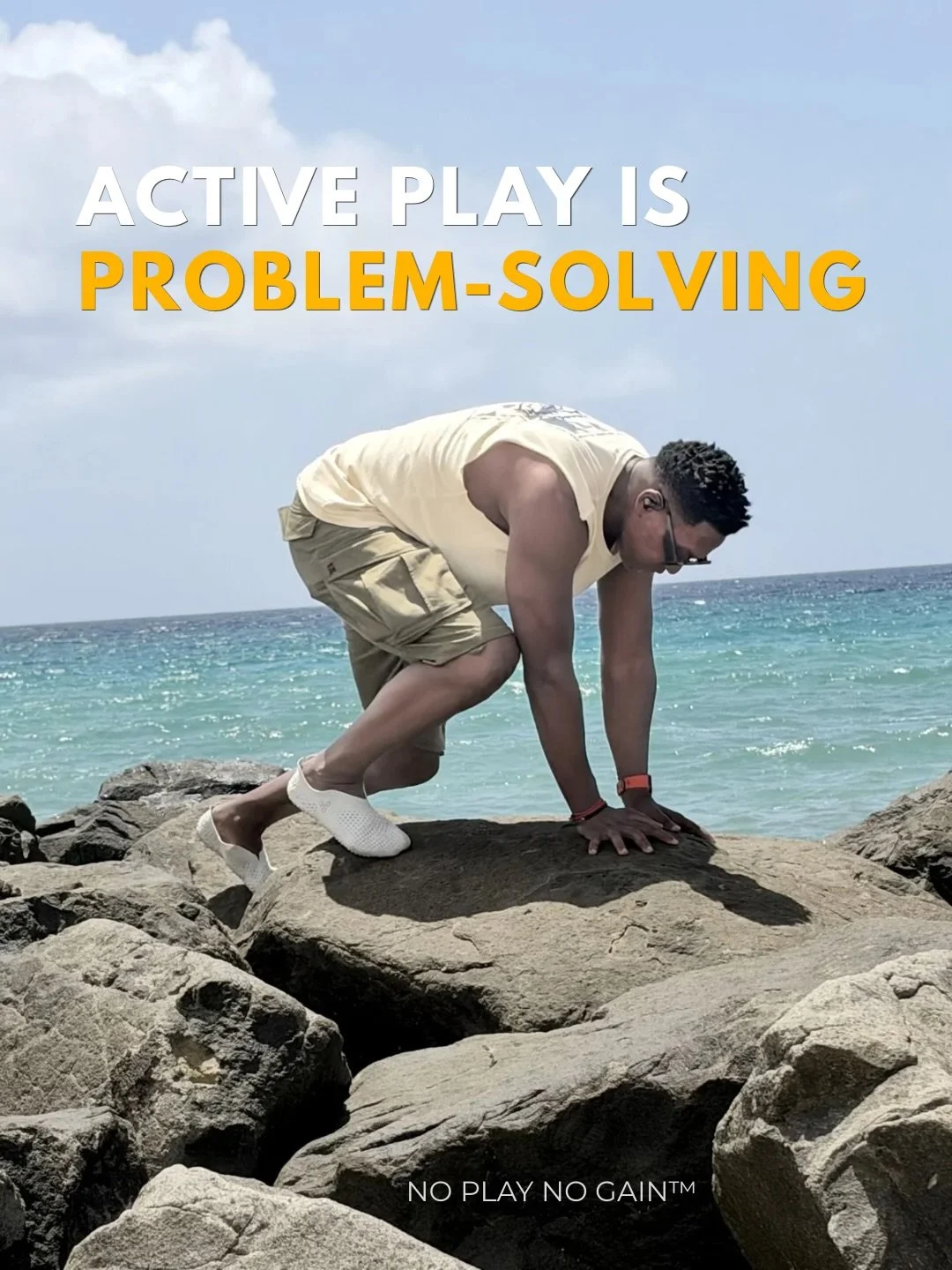
Walking, running, carrying, lifting, crawling, climbing, balancing, jumping, throwing and interacting with our environment can all form part of that movement vocabulary.
The Primal Play Method® does not attempt to recreate an imagined ancestral lifestyle.
It uses movement diversity as a practical principle.
You develop more ways to move, then adapt those movements to your body, environment and goals.
Why Can Exercise Be Hard to Sustain?
Exercise can be difficult to sustain when it feels repetitive, overly prescribed or poorly matched to a person’s preferences and abilities. Enjoyment, autonomy, perceived competence and social connection can influence participation. The Primal Play Method® uses active play to work with these factors.
Why Play Helps Us Keep Moving Across the Lifespan
What Does Playful Strength Training Look Like?
STRENGTH CAN BE PLAYFUL
Strength training provides a useful example of the Method in practice.
The physiological goal may remain clear: provide an appropriate stimulus to develop strength. Structure and play can coexist.
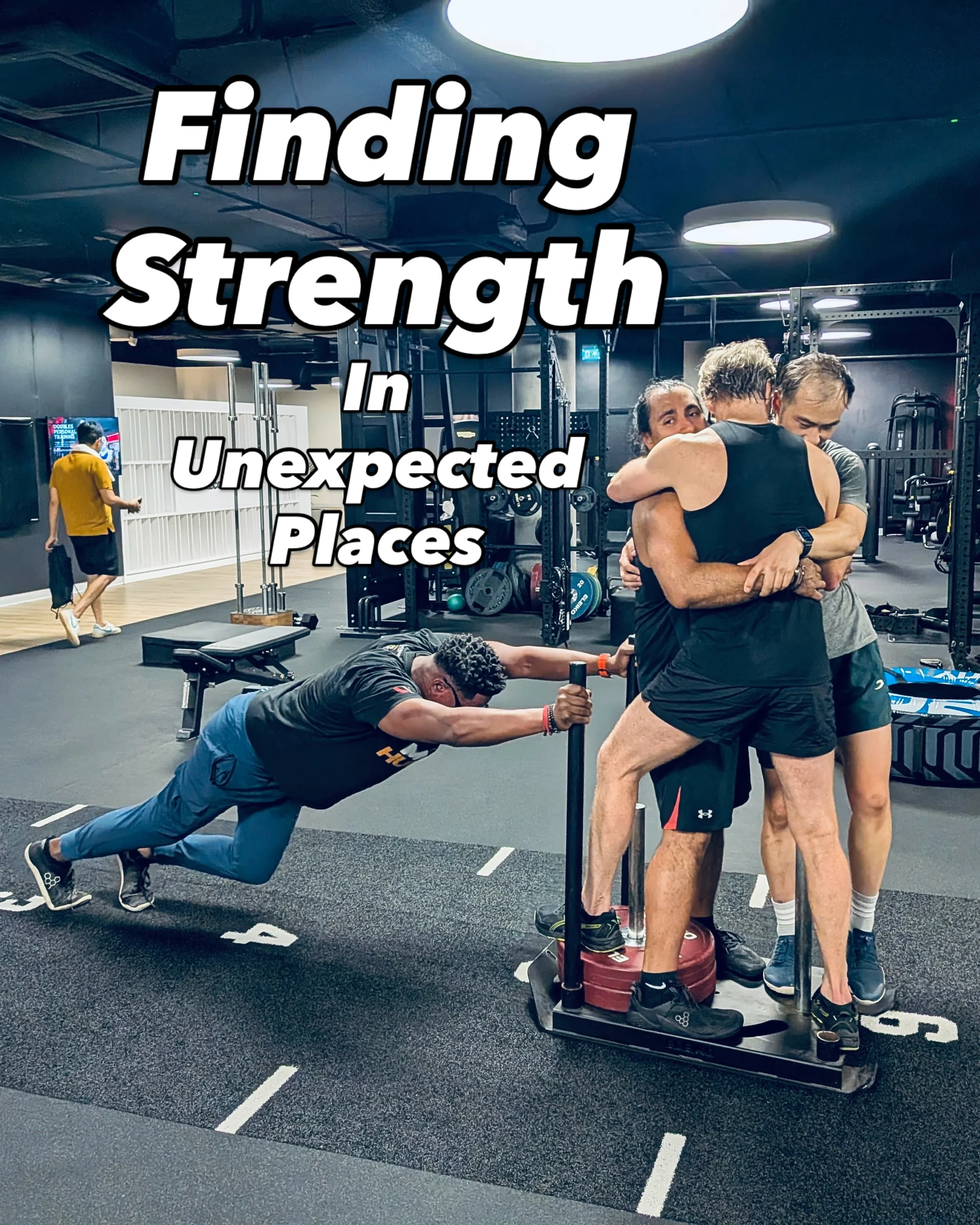
The experience can still include movement variety, exploration, partner interaction, skill, challenge and feedback.
TESTIMONIALS
WHAT ARE PEOPLE
SAYING ABOUT THE PRIMAL PLAY METHOD?
Stuart Brown, MD
Founder, National Institute for Play
“Darryl’s Primal Play Method is life, beauty and joy all at the same time. It’s also a lot of fun!”
+ Where did the Primal Play Method® come from?
Darryl Edwards developed the Primal Play Method® through his work in movement, coaching, health and behaviour.
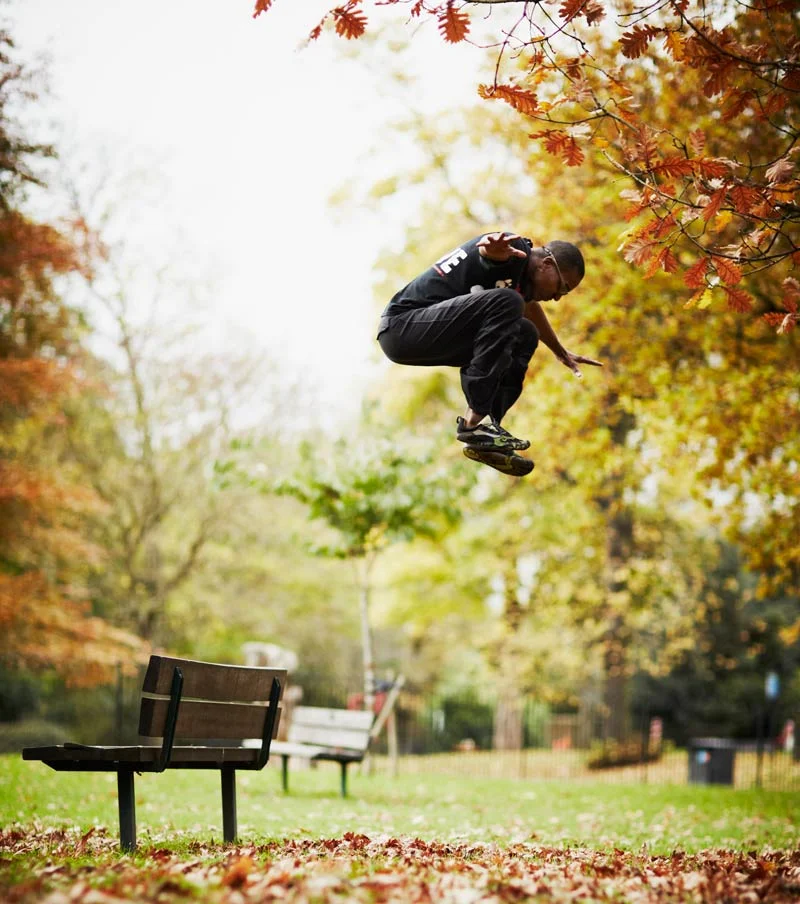
Its influences include childhood play, animal movement, dance, martial arts, parkour, gaming, imagination, music, travel and computer programming.
These experiences helped shape the Method's emphasis on movement variety, problem-solving, adaptability and enjoyment.
They are now integrated with evidence from exercise physiology, cognitive neuroscience, evolutionary biology and play psychology.
+ Is the Primal Play Method® only for people who dislike exercise?
No. Some people use the Method because conventional exercise has never appealed to them. Others already train regularly and want more variety, movement skill, challenge or enjoyment. It can support:
- people beginning physical activity,
- experienced exercisers,
- children and families,
- older adults,
- coaches and fitness professionals,
- teachers and educators,
- health and wellbeing practitioners,
- and organisations looking for different ways to help people move.
The starting point is your current capacity, goals and relationship with movement.
+ What are the four key principles of the Primal Play Method?
The Primal Play Method® uses four movement principles: Powerful, Primal, Perceptual and Playful.
Powerful
Movement that develops strength, speed and the ability to produce force for everyday physical demands.
Primal
Fundamental human movement performed in varied, practical and adaptable ways.
Perceptual
Movement that challenges coordination, balance, spatial awareness, reaction and motor control.
Playful
Movement shaped by enjoyment, choice, challenge, curiosity and social connection.
+ Primal Play across the lifespan
The need to move continues throughout life. The way we move changes. Children may need opportunities to explore movement, build physical competence and develop confidence.
Adults may need movement that fits around work, family, health and limited time. Later life can bring greater emphasis on strength, balance, mobility, cognition, independence and physical function. Health conditions may require further adaptation.
The Primal Play Method® provides a framework that can change with the person rather than requiring the person to fit a fixed exercise model.
+ Clinical and adaptive applications
The Primal Play Method® also informs Darryl’s work in exercise medicine, lifestyle medicine and adaptive movement coaching. In cancer care, this approach can support confidence, physical function, participation and appropriately adapted movement progression through Movement Oncology™.
Learn about Movement Oncology™ and exercise oncology support.
+ Can playful movement still improve fitness?
Yes, when the activity provides an appropriate physical stimulus.
Playfulness does not determine training effect. Movement type, intensity, duration, frequency, volume and progression all influence physiological adaptation.
This is why exercise physiology forms one of the Method's four scientific pillars.
A playful activity can challenge strength, cardiovascular fitness, coordination, mobility, balance or power.
The appropriate WHAT and DOSE depend on the intended outcome.
+ Is the Primal Play Method® for adults as well as children?
Play is relevant across the lifespan. For adults, playful movement can introduce choice, challenge, enjoyment and variety into physical activity while still providing a meaningful physical stimulus.
The activity itself does not have to look childish. The Primal Play Method® uses play as an approach to movement, adapting activities to the person, setting and goal.
Explore the science and importance of play.
+ Is this the same as turning exercise into games?
Games are one way to use the Method. They are not a requirement. A conventional strength exercise can become more engaging through choice, variation, feedback or an appropriate challenge.
Walking can become exploratory. Balance work can become a movement problem. Partner activities can introduce cooperation or competition.
“How can this movement become something you are willing and able to repeat?”
+ Primal Play and exercise medicine
Movement can play an important role in prevention, health promotion, management of long-term conditions, healthy ageing and physical function. Clinical contexts require appropriate assessment, movement selection, dose and progression.
Play does not replace these requirements. It can influence how an appropriate movement prescription is experienced.
This is particularly relevant when pain, fatigue, deconditioning, low confidence, fear of movement or previous negative experiences make participation harder. Darryl applies these principles within his wider work in exercise medicine and adaptive movement.
In cancer care, the approach informs Movement Oncology™, where exercise selection and dose are adapted around treatment, symptoms, function and individual circumstances.
+ What about Animal Moves?
Animal Moves are a significant part of the Primal Play Method® because they use varied, whole-body movement to challenge strength, mobility, coordination, balance and locomotion in playful ways. They are a tool within the Method, not the Method itself.