
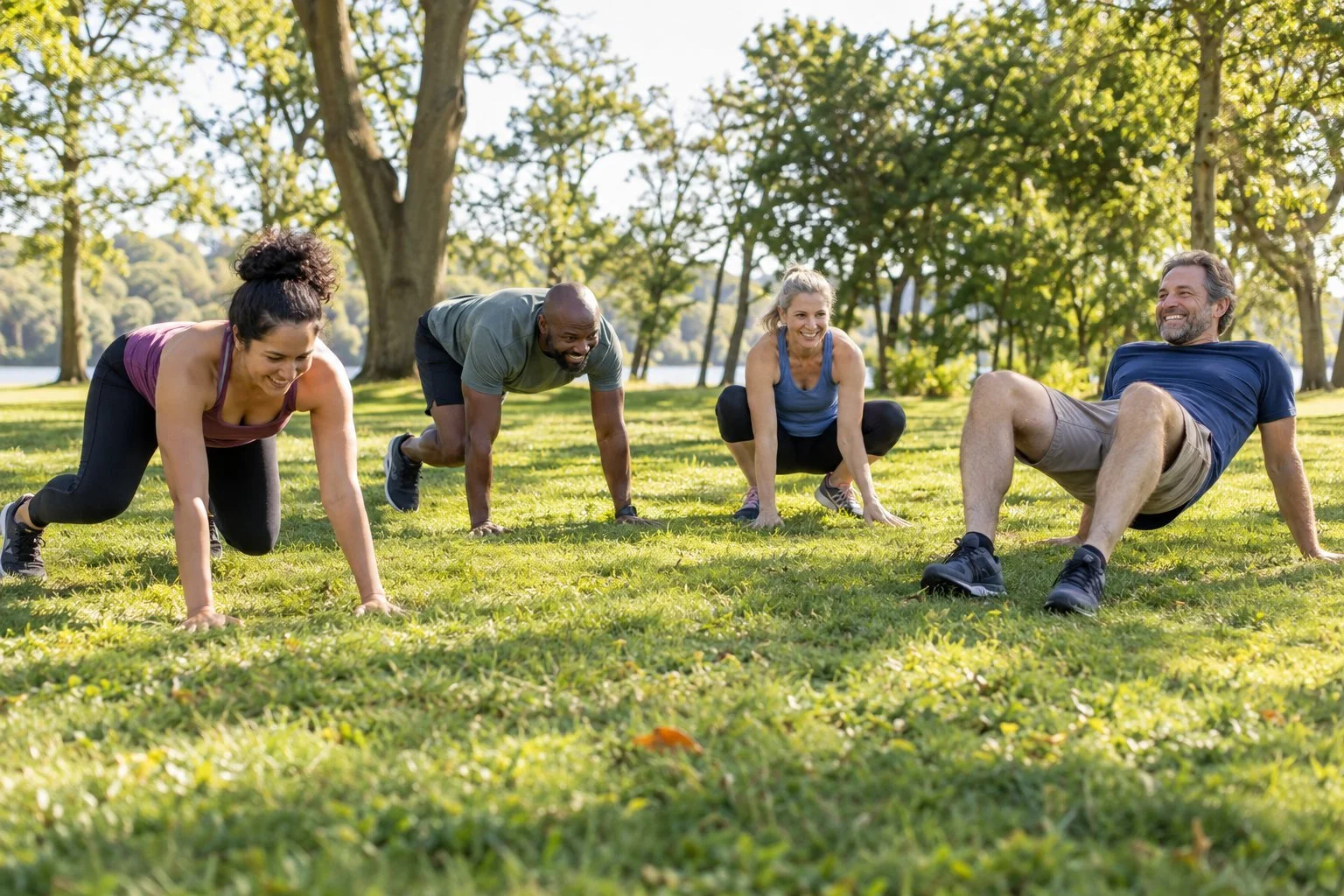
How Active Play Improves Cardiovascular and Metabolic Health
Can active play improve cardiovascular fitness?
Active play can support cardiovascular fitness when it involves enough movement at an appropriate intensity. Chasing games, energetic dancing and some crawling sequences can contribute to aerobic activity. The effect depends on how hard, how often, and how long you move, along with your starting fitness.
Within the Primal Play Method®, play offers a way to explore movement through curiosity, challenge and connection. This article explains the exercise science behind those activities and how a playful approach may help you keep participating.
Why cardiovascular fitness matters for lifelong health
Cardiovascular fitness is one of the strongest predictors of how long you live and how well you live. A large observational study published in JAMA Network Open linked lower cardiovascular fitness with higher mortality, with an association comparable to several established risk factors, including smoking. Your heart's ability to pump blood efficiently affects every organ in your body, including your brain.
The connection between heart health and metabolic efficiency runs deep. A well-conditioned cardiovascular system improves insulin sensitivity, supports healthy blood pressure, and helps the body regulate blood glucose more effectively. These are not separate health concerns. They are interconnected systems that rise and fall together. Poor cardiovascular fitness often precedes metabolic dysfunction, and both increase the risk of type 2 diabetes, heart disease, and stroke.
Regular physical activity significantly reduces cardiometabolic disease risk. The amazing benefits of physical activity span well beyond weight management. Movement directly supports vascular health, reduces chronic inflammation, and improves the efficiency of the body's energy systems. The key challenge has always been getting people to move consistently enough to experience those benefits.
What is active play and how does it differ from traditional exercise?
Active play is spontaneous, exploratory, and enjoyable movement. Within the Primal Play Method® framework developed by movement coach Darryl Edwards, active play is defined as functional, natural human movement performed with a playful mindset. It includes crawling, climbing, carrying, balancing, chasing, and locomotion patterns that humans have used throughout evolutionary history.
Some people enjoy structured exercise. Others engage more readily when movement offers freedom, curiosity and social connection. Traditional exercise is typically structured, goal-oriented, and externally motivated. You follow a programme, track reps, and repeat the same patterns under obligation. Active play, by contrast, is driven by curiosity and enjoyment. The body still works hard, and the cardiovascular and metabolic stimulus is real, but the experience feels fundamentally different.
This distinction matters enormously for adherence. Research consistently shows that people who find physical activity enjoyable are far more likely to sustain it over time. The five reasons you should play out instead of working out make a compelling case for rethinking the exercise model entirely. When movement becomes play, dropout rates can fall, and thus long-term health gains become far more achievable.
The science behind active play and cardiovascular improvements
How does heart rate variability respond to playful movement?
Heart rate variability (HRV) is a reliable marker of cardiovascular health and autonomic nervous system function. Higher HRV is generally associated with better fitness, lower stress, and improved cardiac adaptability. Playful, varied movement could have a positive effect on HRV because it naturally produces irregular, unpredictable bouts of exertion rather than sustained monotonous effort.
During active play, the heart rate rises and falls repeatedly in response to spontaneous changes in activity. You might sprint to catch someone, then pause, then climb, then crawl. This pattern closely resembles interval training, which has a strong evidence base for cardiac adaptation. The heart becomes more efficient at handling fluctuations in demand, which builds resilience over time.
This cardiovascular stimulus arguably better reflects how humans evolved to move. Brief, intense bouts of exertion interspersed with lighter activity characterise natural human movement. The cardiovascular system adapts not just to sustained effort but to effort variability, and play provides exactly that kind of training signal.
What role does irisin play in metabolic health during active play?
Irisin is an exercise-induced hormone released by muscle tissue during physical activity. It plays a significant role in metabolic regulation by promoting the conversion of white adipose tissue into brown adipose tissue, which burns more energy at rest. It also supports glucose metabolism, improves insulin sensitivity, and has been linked to brain health benefits, including neuroplasticity.
Active play triggers irisin release because it engages large muscle groups through varied, full-body movement. The more muscle tissue involved, the stronger the hormonal signal. Primal movement patterns like crawling and climbing recruit muscles across the whole body simultaneously, making them particularly effective at driving this metabolic response.
Understanding irisin and its role as an exercise hormone helps explain why playful movement can produce metabolic improvements that go well beyond simple calorie burning. The body's hormonal response to movement is complex, and active play appears to trigger a wide range of these beneficial signals.
Natural movement patterns that boost heart health
The Primal Play Method® draws on foundational human movement patterns that have been part of our physical repertoire throughout history. Crawling, climbing, carrying, and locomotion are not just nostalgic activities. They are biomechanically rich movements that challenge the cardiovascular system in unique and effective ways.
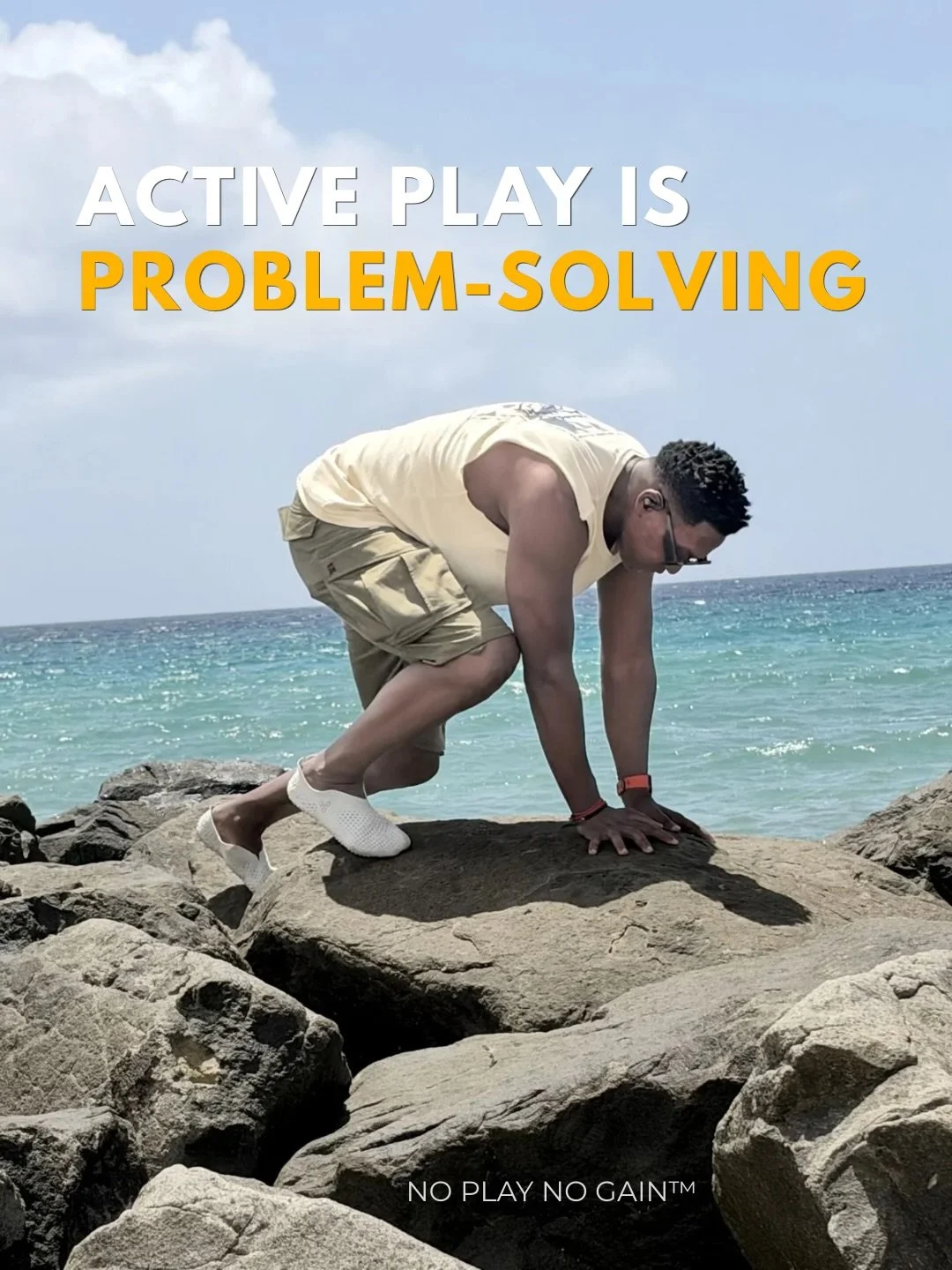
Crawling, for example, requires significant upper-body and core engagement while driving heart rate up through the effort of moving the whole body against gravity. Animal-inspired movement patterns like bear crawls, crab walks, and lateral crawling patterns are particularly effective at elevating heart rate while also building strength, coordination, and mobility. Explore the benefits of animal moves in detail to understand why these movements are so effective across multiple fitness domains.
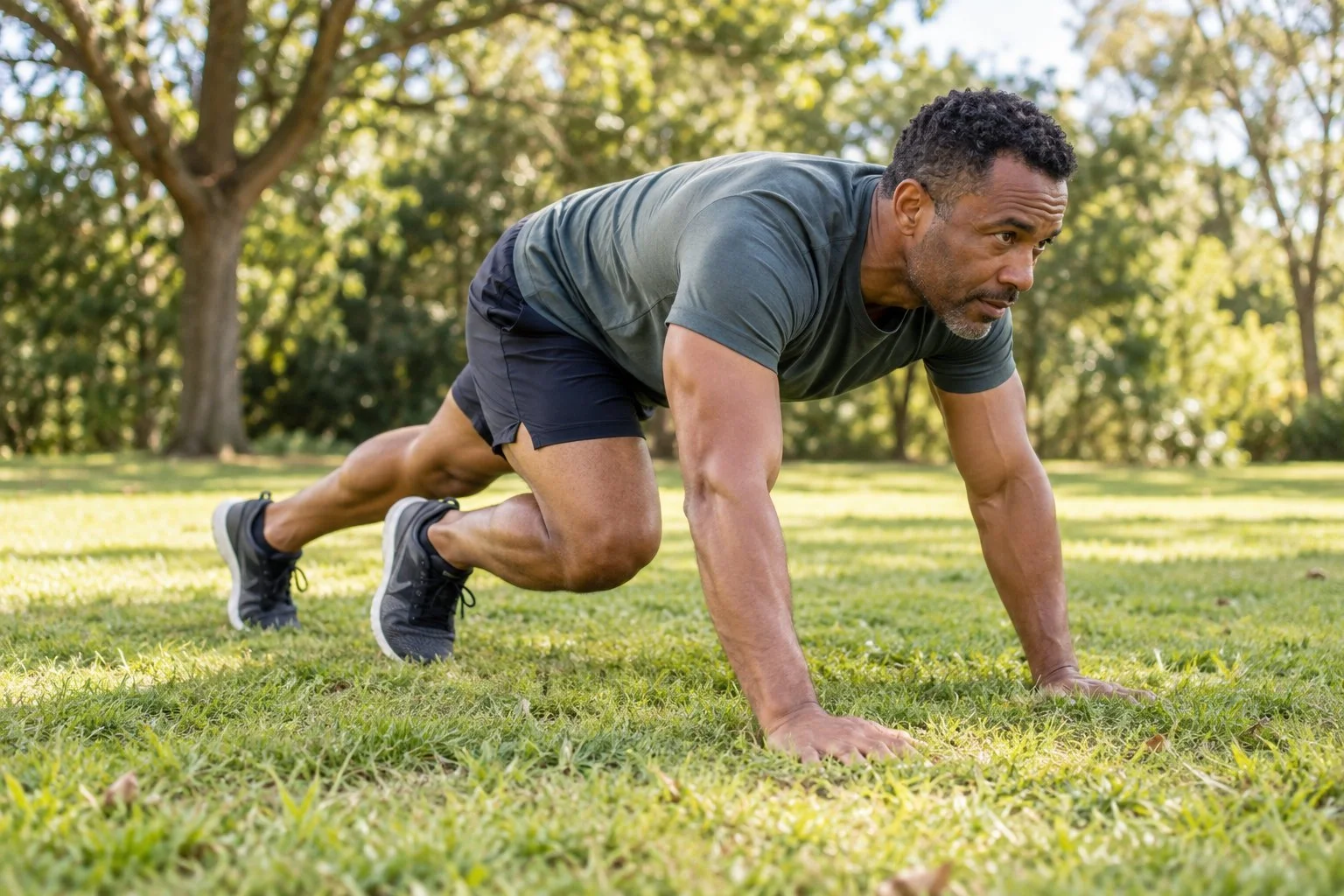
Hands on the ground. A different perspective. Crawling invites adults to explore a familiar childhood movement again.
Carrying heavy loads, whether lifting and transporting objects in play or performing farmer's carry variations, places significant demand on the cardiovascular system. The combination of muscular effort and sustained movement creates a powerful stimulus for heart health. Climbing, whether on natural structures, trees, or playground equipment, engages the full body and challenges the heart in ways that flat-surface exercise simply cannot replicate.
Movement across multiple planes is another key advantage of active play over traditional exercise. Most gym-based cardio moves in a single direction. Play naturally incorporates forward, backward, lateral, and rotational movement, creating a more comprehensive cardiovascular challenge and engaging a broader range of muscle groups. This variety not only improves fitness but also builds movement confidence and reduces the risk of repetitive strain injury.
Active play strategies for different populations
How can children build cardiovascular fitness through play?
Children are natural movers. Left to their own devices, they run, jump, climb, chase, and roll with an intensity that would exhaust most adults. These activities are not just fun. They are the foundation of cardiovascular development. The top benefits of play for toddlers and young children include measurable improvements in aerobic capacity, heart function, and metabolic efficiency.
Chasing games are particularly effective for building aerobic fitness in children because they involve repeated bursts of high-intensity effort. Tag, hide-and-seek, and similar games naturally create interval-like movement patterns without requiring any structure. Climbing builds upper-body and core strength alongside cardiovascular fitness, while rough-and-tumble play develops body awareness, coordination, and resilience.

A game of chase gives children a reason to run, change direction and respond to each other.
Physical literacy developed through childhood play creates lasting cardiovascular health habits. Children who are physically confident and active are far more likely to maintain that activity into adolescence and adulthood. Investing in playful movement during the early years is genuinely one of the most effective cardiovascular health interventions available.
What playful movements support adult heart health?
Adults often abandon the movement freedom they had as children when they enter structured exercise environments. The Primal Play Method® reintroduces that freedom through functional, playful movement that fits naturally into everyday life.
Sprinting is one of the most powerful cardiovascular stimuli available, and one of the most natural human movements. The benefits of sprinting include improvements in cardiac output, VO2 max, and metabolic rate, often achieved with far less total exercise time than steady-state cardio. Incorporating short sprint efforts into play, chasing a dog, racing a friend, or sprinting between trees in a park makes this intensity accessible without the psychological burden of a formal workout.
Carrying, crawling through natural environments, balancing on uneven surfaces, and engaging in social movement games all provide meaningful cardiovascular stimulus for adults. The practical key is framing these activities as play rather than exercise. This shift may affect motivation and participation.
How does active play support metabolic health in older adults?
Older adults face a particular challenge in maintaining metabolic health because muscle mass declines with age, reducing the body's capacity for glucose uptake and energy regulation. Play-based movement that engages multiple muscle groups simultaneously helps counteract this decline while also maintaining cardiovascular fitness.
Evidence supports using varied, enjoyable movement to maintain insulin sensitivity in older populations. The key is balancing sufficient intensity to provide a metabolic stimulus with enough enjoyment to sustain the activity. Understanding movement throughout our lives shows that the type and quality of movement need to evolve as we age, but the playful principle remains constant.
Balance and coordination activities typical of active play also reduce fall risk, which is a significant health concern for older adults. When movement is enjoyable, older adults are more likely to do it regularly, and regularity is the single most important variable in achieving lasting cardiovascular and metabolic health benefits.
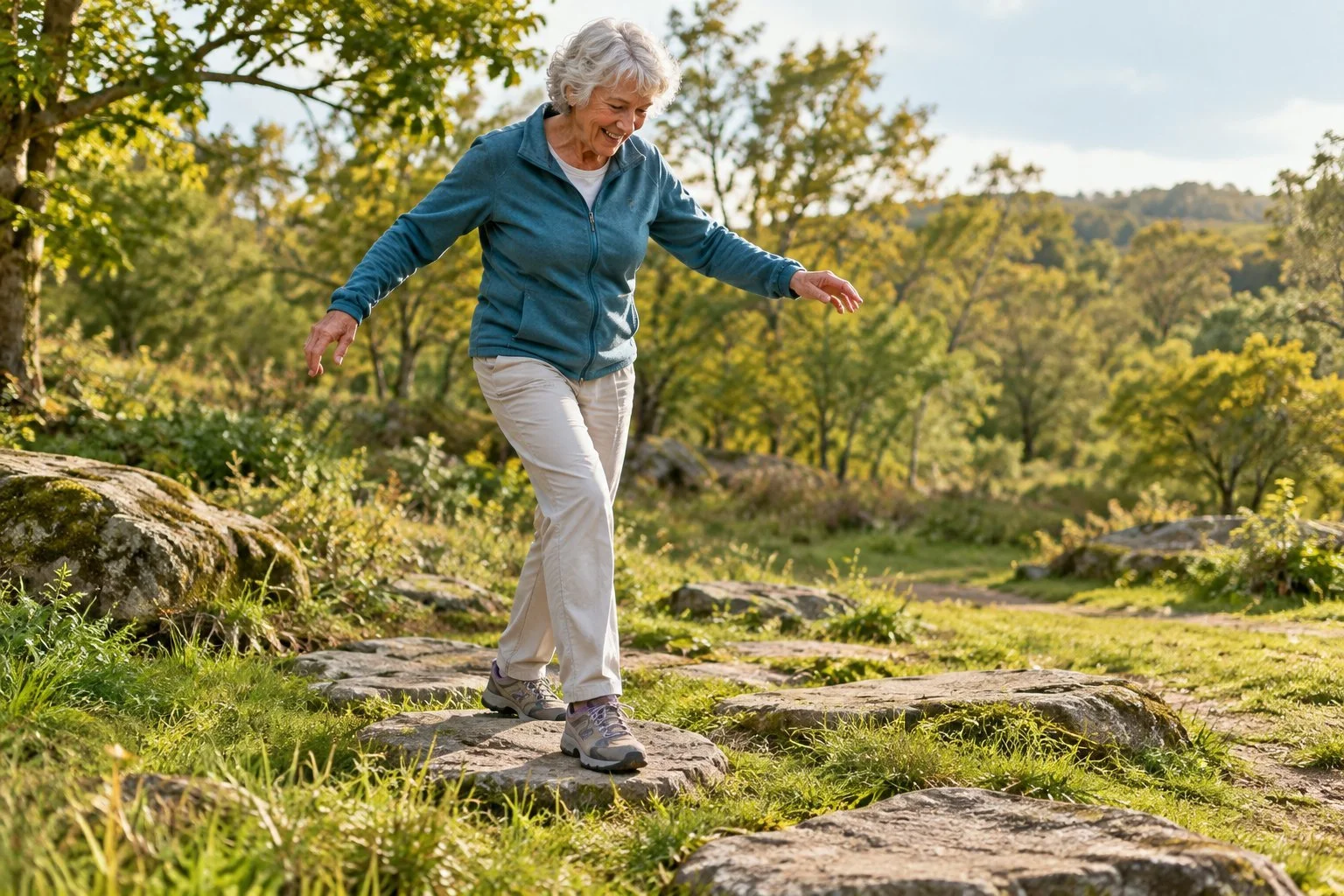
Choosing your next foothold can turn an everyday walk into a playful balance challenge.
Metabolic benefits of playful physical activity
Active play produces a range of metabolic improvements that go well beyond what the activity looks like from the outside. When the body engages in varied, full-body movement, it activates glucose transport mechanisms in muscle tissue, improving blood sugar regulation even in people with insulin resistance.
Research on exercise-stimulated glucose uptake and its implications for glycaemic control shows that even moderate-intensity movement can meaningfully improve how the body manages blood glucose. Active play, which naturally produces varying intensities of effort, may be particularly effective at driving this response because it repeatedly activates and relaxes muscle tissue.
Body composition also improves with regular active play. Increased lean muscle mass raises resting metabolic rate, while reductions in visceral adipose tissue, the fat surrounding internal organs, directly reduce cardiometabolic disease risk. These changes accumulate over time with consistent playful movement, even when individual sessions are relatively short.
Active play also reduces cardiometabolic disease risk by improving blood lipid profiles, lowering chronic inflammation, and supporting endothelial function. A well-functioning endothelium, the inner lining of blood vessels, is central to cardiovascular health, and regular physical activity, including active play, is one of the most effective ways to maintain it.
Integrating active play into clinical and rehabilitation settings
The Primal Play Method® is applied in clinical settings where movement medicine intersects with complex health needs. For people managing obesity, play-based movement offers a psychologically safer entry point than structured exercise, which can feel intimidating or even punishing. The enjoyment factor significantly reduces barriers to participation, making it easier for clinical populations to begin and sustain movement.
In cardiac rehabilitation, play-based approaches can complement traditional programmes by introducing variety and motivation. Movement that feels meaningful and enjoyable supports both physical recovery and psychological wellbeing, both key outcomes in cardiac care. The graduated intensity natural to play allows participants to work at an appropriate level without the anxiety of structured performance targets.
For people managing type 2 diabetes, active play offers a practical and enjoyable route to the regular physical activity that clinical guidelines recommend. The movement is real, the cardiovascular and metabolic stimulus is genuine, and the experience is far more sustainable than many conventional approaches.
The evidence base for play-based approaches in neurological conditions is also growing. Research on the benefits of physical activity for multiple sclerosis highlights how functional, enjoyable movement can support both physical and neurological health outcomes. This reflects the broader principle that movement medicine is most effective when it addresses the whole person, not just a single condition.
Creating sustainable cardiovascular fitness through play
The single biggest obstacle to cardiovascular health is not lack of knowledge about what to do. It is lack of long-term adherence. People know they should move more. The challenge is doing it consistently for months and years, not weeks.
Enjoyment is the most powerful predictor of long-term exercise adherence. When physical activity feels like play, it does not require the same willpower as obligatory exercise. The motivation becomes internal rather than external, driven by how movement makes you feel rather than by guilt or obligation. Understanding how active play boosts adult health and happiness shows why this psychological dimension is as important as the physiological one.
Building intrinsic motivation through playful movement means creating experiences that people genuinely want to repeat. This might involve movement with friends, play in natural environments, games that involve challenge and skill development, or simply rediscovering the joy of moving your body without a structured outcome. When people stop dreading their movement sessions and start looking forward to them, cardiovascular fitness becomes a natural by-product of a life lived well.
Avoiding burnout is another major advantage of play-based approaches. Traditional high-intensity training programmes can lead to overtraining, injury, or mental fatigue within a few months without manageable doses and adequate recovery. Play, by its nature, is self-regulating. You stop when you are tired, vary the intensity intuitively, and return because it is enjoyable. This makes it a far more sustainable foundation for lifelong cardiovascular fitness.
Practical ways to incorporate heart-healthy active play daily
You do not need a gym, a programme, or a dedicated hour to build cardiovascular fitness through play. The principle of movement snacks, short bouts of activity spread throughout the day, is well supported by research and aligns naturally with how play works.
There are ten practical ways to make incidental movement part of your daily routine that can significantly increase your total daily activity without requiring scheduled workout time. Walking meetings, taking the stairs, carrying shopping instead of using a trolley, and playing with children in the garden all count. These moments add up and create a meaningful cardiovascular stimulus over the course of a day.
Simple games that elevate heart rate include chasing activities, skipping, jumping over objects, balancing challenges, and movement-based social games. None of these requires equipment or expertise. They just require a willingness to move with intention and a little spontaneity.
Outdoor environments provide a particularly rich context for active play and cardiovascular fitness. Uneven terrain, natural obstacles, open space for sprinting, and trees or structures for climbing all create a more varied and demanding cardiovascular stimulus than flat indoor surfaces. The benefits of outdoor exercise in winter make clear that seasonal changes are not a reason to stop moving outdoors. Getting outside in all seasons, and making it playful, is one of the most effective heart health strategies available. Outdoor play can continue across seasons when clothing, conditions and activities suit the individual.
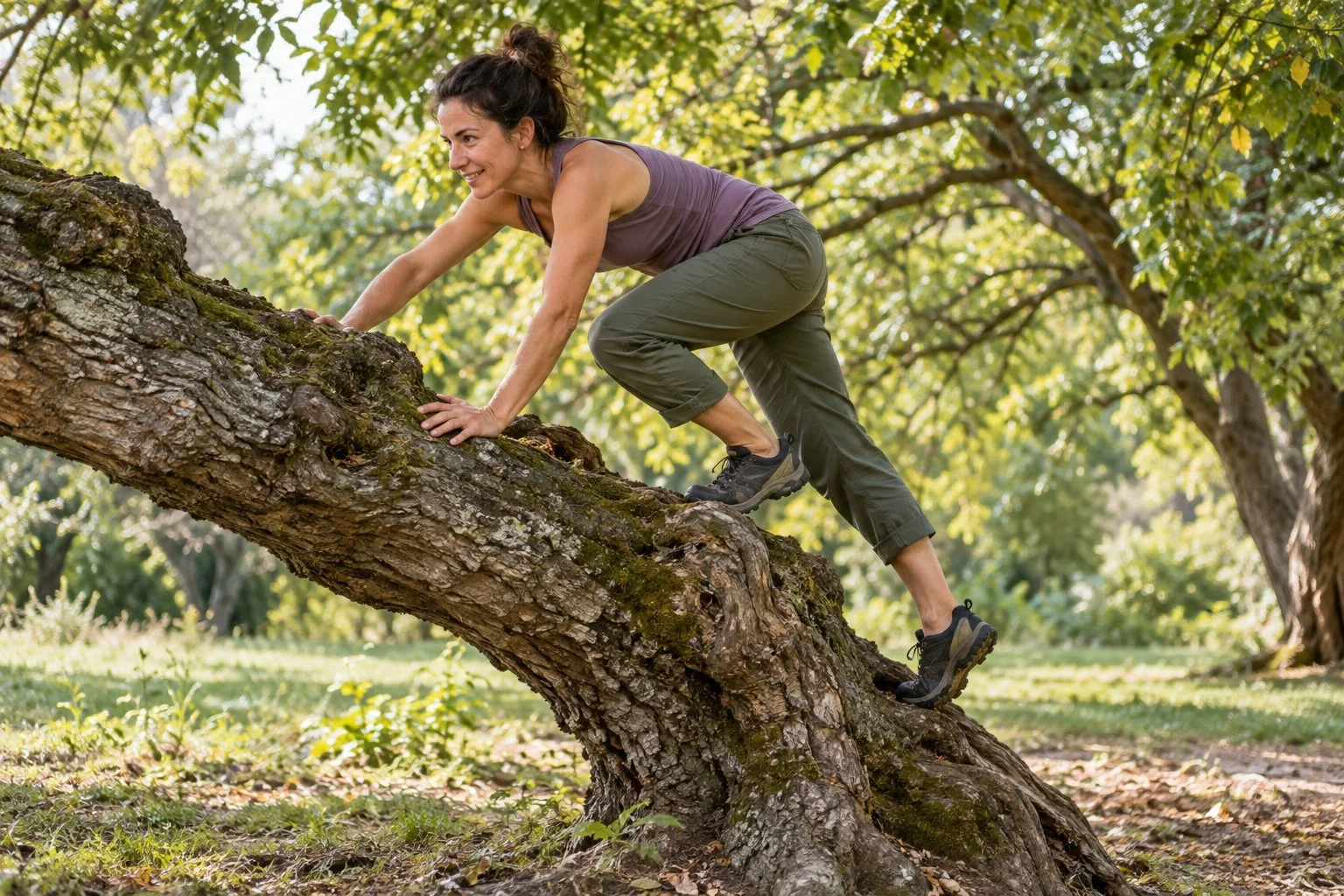
A sloping tree trunk offers an invitation to explore, choose a route and move with intention.
Measuring cardiovascular improvements from active play
You do not need lab testing to know whether your cardiovascular fitness is improving. Practical indicators include how quickly your heart rate returns to normal after exertion, how far or fast you can move before feeling breathless, and how your energy levels hold up throughout the day. These subjective markers matter and are worth paying attention to.
Recovery time is one of the clearest signals. As cardiovascular fitness improves, the heart returns to a resting rate more quickly after exercise. If a game of chase or a hill sprint used to leave you breathless for several minutes and now you recover in under a minute, that is genuine adaptation. Movement confidence, the sense that your body is capable and responsive, is another meaningful marker. It tends to grow steadily with consistent active play.
Energy levels throughout the day also reflect cardiovascular efficiency. A stronger heart delivers oxygen and nutrients more effectively, which translates directly into sustained energy and mental clarity. Many people notice this improvement within a few weeks of beginning regular active play.
When progress stalls, or when underlying health concerns arise, professional guidance is valuable. A fitness professional, exercise physiologist, or healthcare provider can help structure playful movement appropriately and ensure it fits safely within any clinical context. The goal is always sustainable progress, not performance at any cost.
Frequently asked questions
How much active play do I need for cardiovascular health benefits?
Current guidelines from the World Health Organisation recommend at least 150 minutes of moderate-intensity or 75 minutes of vigorous-intensity physical activity per week for adults. Active play counts fully towards these targets. Even shorter, more frequent bouts spread across the day provide meaningful cardiovascular benefits, particularly when the movement involves varied intensity.
Can playful movement replace traditional cardio workouts?
Yes, in many cases. Active play that elevates heart rate consistently and incorporates varied intensity provides the same cardiovascular stimulus as structured cardio training. The key is to keep the play genuinely active and regular. For people who find traditional workouts demotivating or unsustainable, play-based movement is not a compromise. It is often the more effective long-term choice.
Is active play safe for people with existing heart conditions?
For most people with managed heart conditions, appropriate-intensity active play is safe and beneficial. Playful elements can be incorporated into an individualised cardiac rehabilitation plan, with suitable activities, intensity and supervision.
What is the difference between active play and high-intensity interval training?
High-intensity interval training (HIIT) is a structured protocol with defined work and rest periods at specific intensities. Active play is spontaneous and unstructured, but often produces natural interval patterns through varied effort. Both can produce cardiovascular benefits. Active play tends to be more psychologically accessible and sustainable, while HIIT offers more precise control over intensity. They complement each other rather than compete.
How quickly can I see improvements in metabolic health from active play?
Some effects on glucose regulation can occur after a single movement session. Longer-term changes vary with the activity, dose, starting health and consistency. Improvements in insulin sensitivity and blood glucose regulation often appear first. The pace of change depends on current fitness levels, movement frequency, and overall lifestyle factors.
Can active play help reduce blood pressure naturally?
Yes. Regular physical activity, including active play, is one of the most effective lifestyle interventions for managing high blood pressure. It improves arterial flexibility, reduces vascular resistance, and supports healthy endothelial function. The evidence base for exercise and high blood pressure management is strong, and play-based approaches make that activity more accessible and sustainable for people who struggle with traditional exercise programmes.
What are the best active play activities for beginners?
Beginners do best starting with low-stakes, enjoyable activities that feel accessible. Walking with directional changes, basic balancing challenges, gentle crawling movements, throwing-and-catching games, and chasing activities with dogs or children are all excellent starting points. The focus should be on enjoying the movement rather than performing it perfectly. As confidence and fitness grow, the intensity and complexity of play can naturally increase.
RELATED POSTS:




Cognitive neuroscience explains how movement interacts with attention, perception, decision-making, executive function and motor learning. In the Primal Play Method®, it helps shape how movement challenges the brain and body together, supports learning, and creates experiences people can adapt to and repeat.