

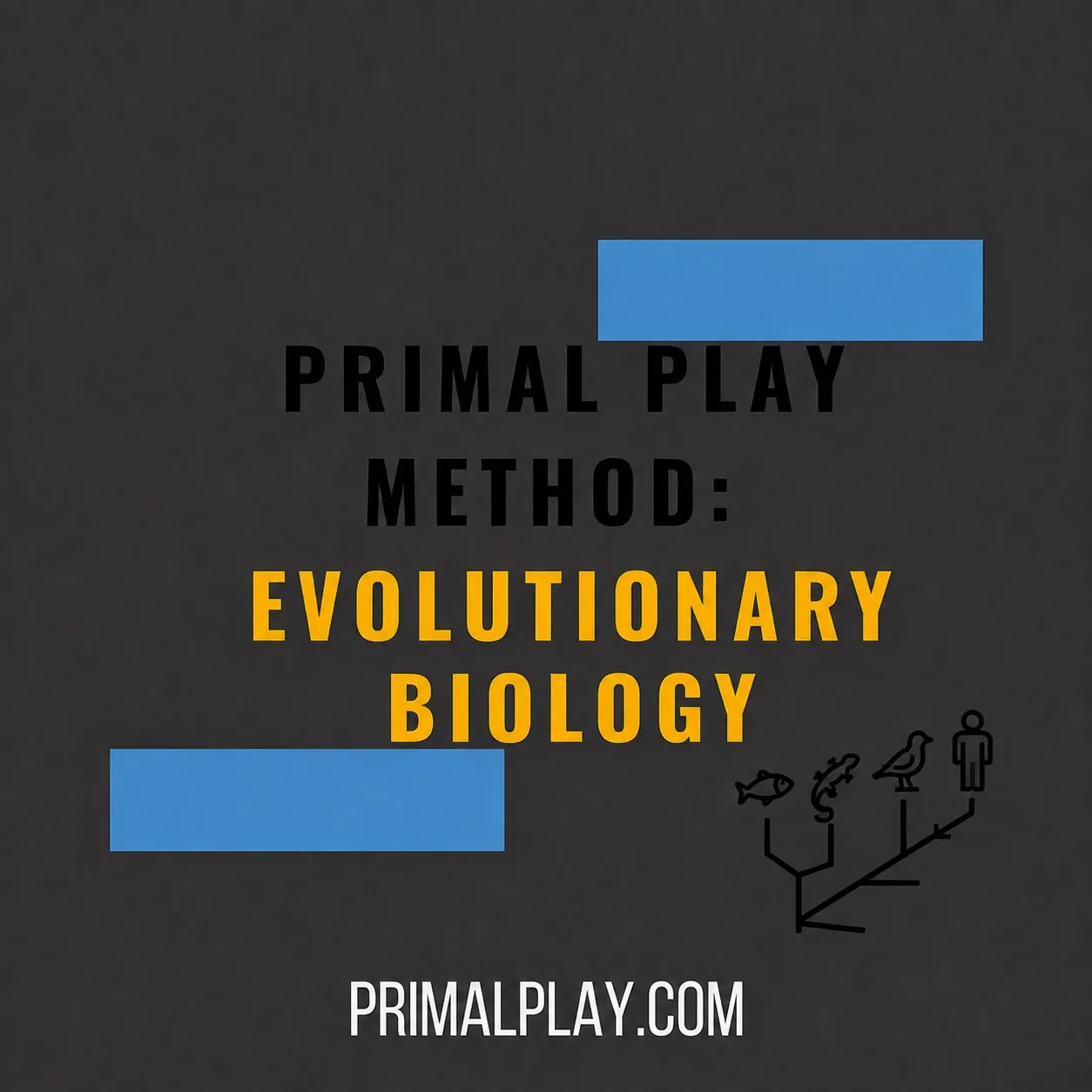
Evolutionary biology helps explain why human bodies developed the capacity for varied physical activity across different environments. In the Primal Play Method®, it explains why movement matters, the range of movement humans can perform, and how modern environments can reduce everyday physical activity.
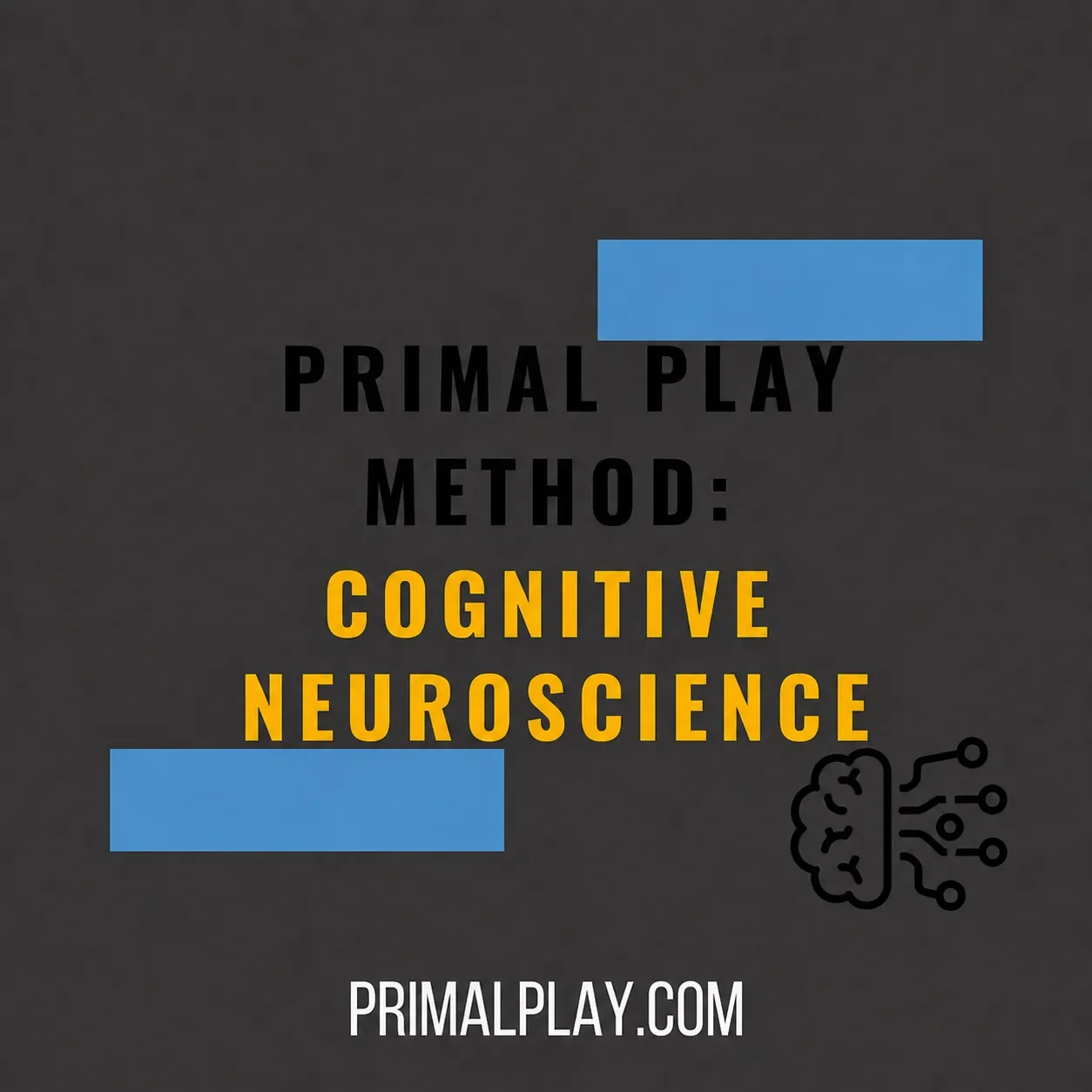
Cognitive Neuroscience and Active Play: The Science Behind the Primal Play Method®
Cognitive neuroscience explains how movement interacts with attention, perception, decision-making, executive function and motor learning. In the Primal Play Method®, it helps shape how movement challenges the brain and body together, supports learning, and creates experiences people can adapt to and repeat.
Play Psychology and Physical Activity Adherence: The Science Behind the Primal Play Method®
Play psychology explores how enjoyment, choice, challenge, competence and connection can shape physical activity experiences. Discover how these principles support adherence within the Primal Play Method®.
Exercise Physiology and Active Play
Exercise physiology explains how the body responds and adapts to physical activity. In the Primal Play Method®, it helps shape what movement is used, how much stimulus is needed, and how repeated activity can support strength, fitness, balance, metabolic health and physical function.