Play

Play and the Feel-Good Hormones

Play and the Feel-Good Hormones

How does play affect hormones and brain chemistry?

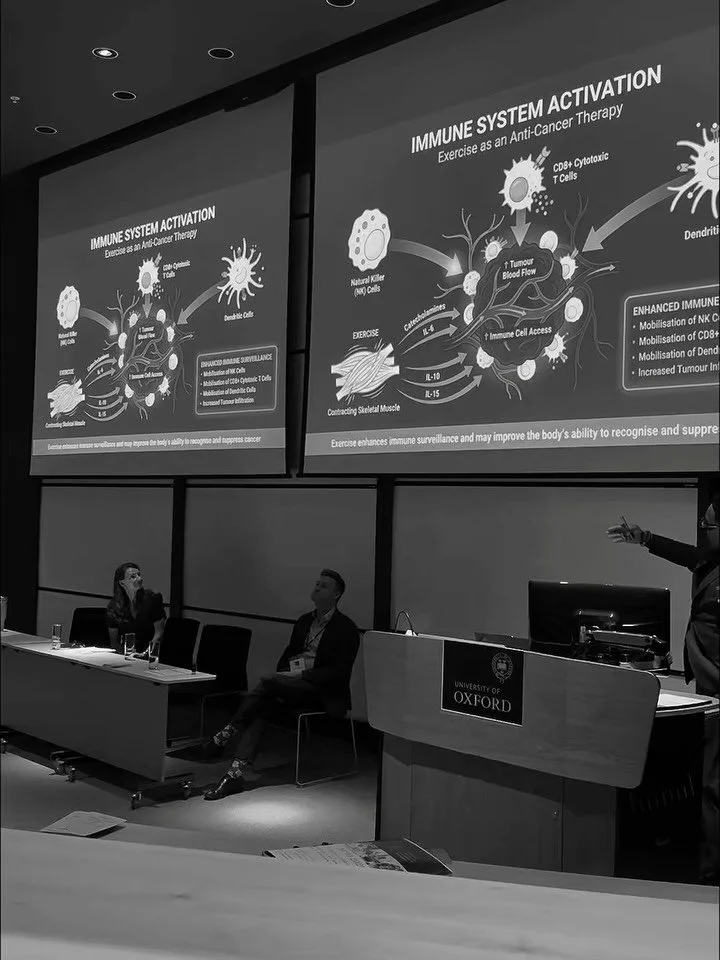
Active play can influence neurochemical systems involved in mood, motivation, reward, stress regulation and social connection. These include endorphins, endocannabinoids, dopamine, serotonin, norepinephrine, GABA and oxytocin. Together, these systems help explain why movement and play can leave you feeling more energised, connected and positive.


The Importance of Play - part 3: Rediscovering Play

The Importance of Play - part 3: Rediscovering Play

Playful movement does not need to be complicated. Lay it out in terms of basic movement patterns. Moves that are functional and possible to adapt for all – with challenges that can be scaled to each individual. You can piggy-back carry, focus on animal crawls and movements, or play games such as tag. 

The Importance of Play - Part 2: Not Just For Kids

The Importance of Play - Part 2: Not Just For Kids

Well play can be confusing for us adults; it is either seen as frivolous, deemed as foolish, or blanketed as childish activity related to relieving boredom with no well-defined goals. Adults often judge play as an unnecessary task even for their children.