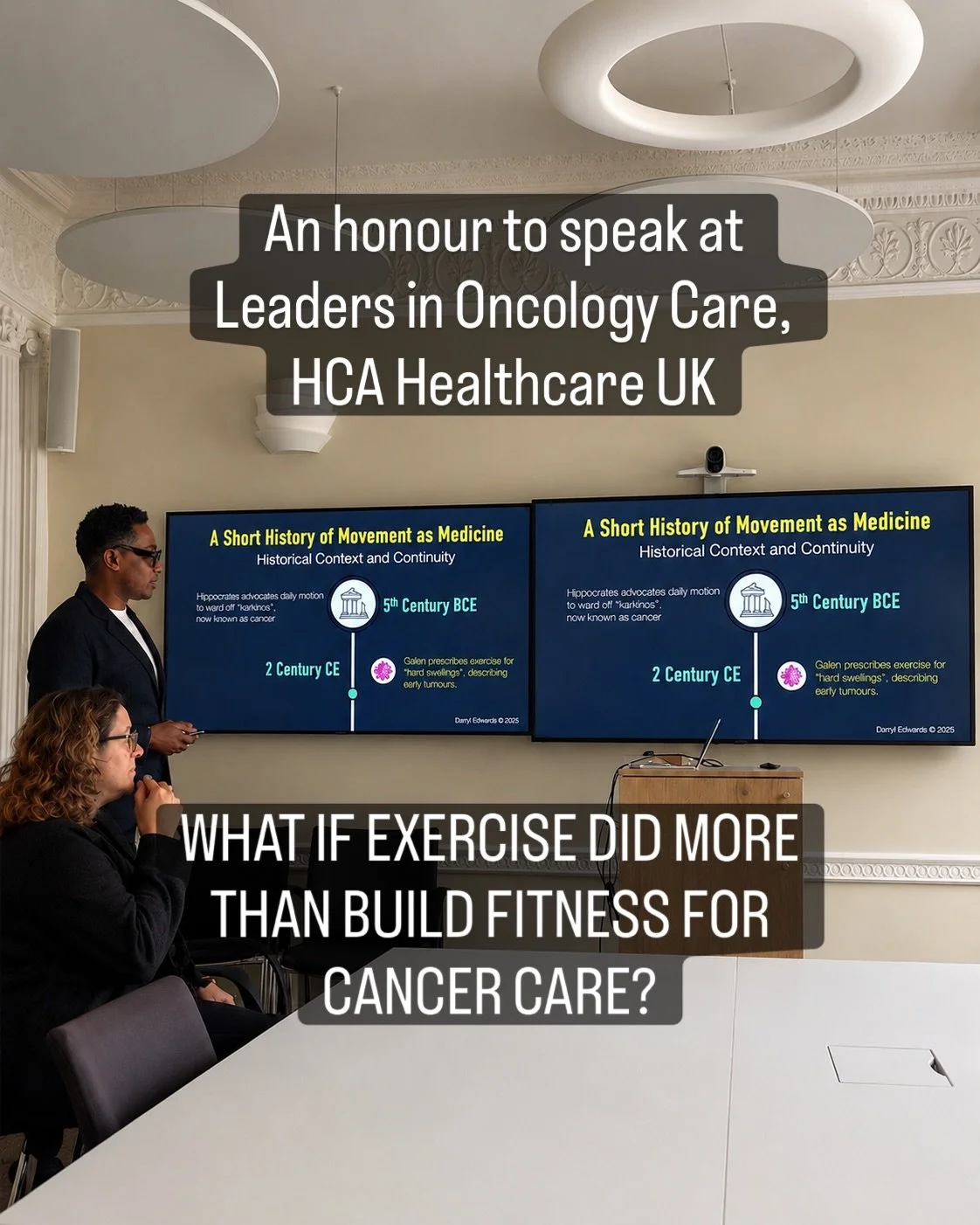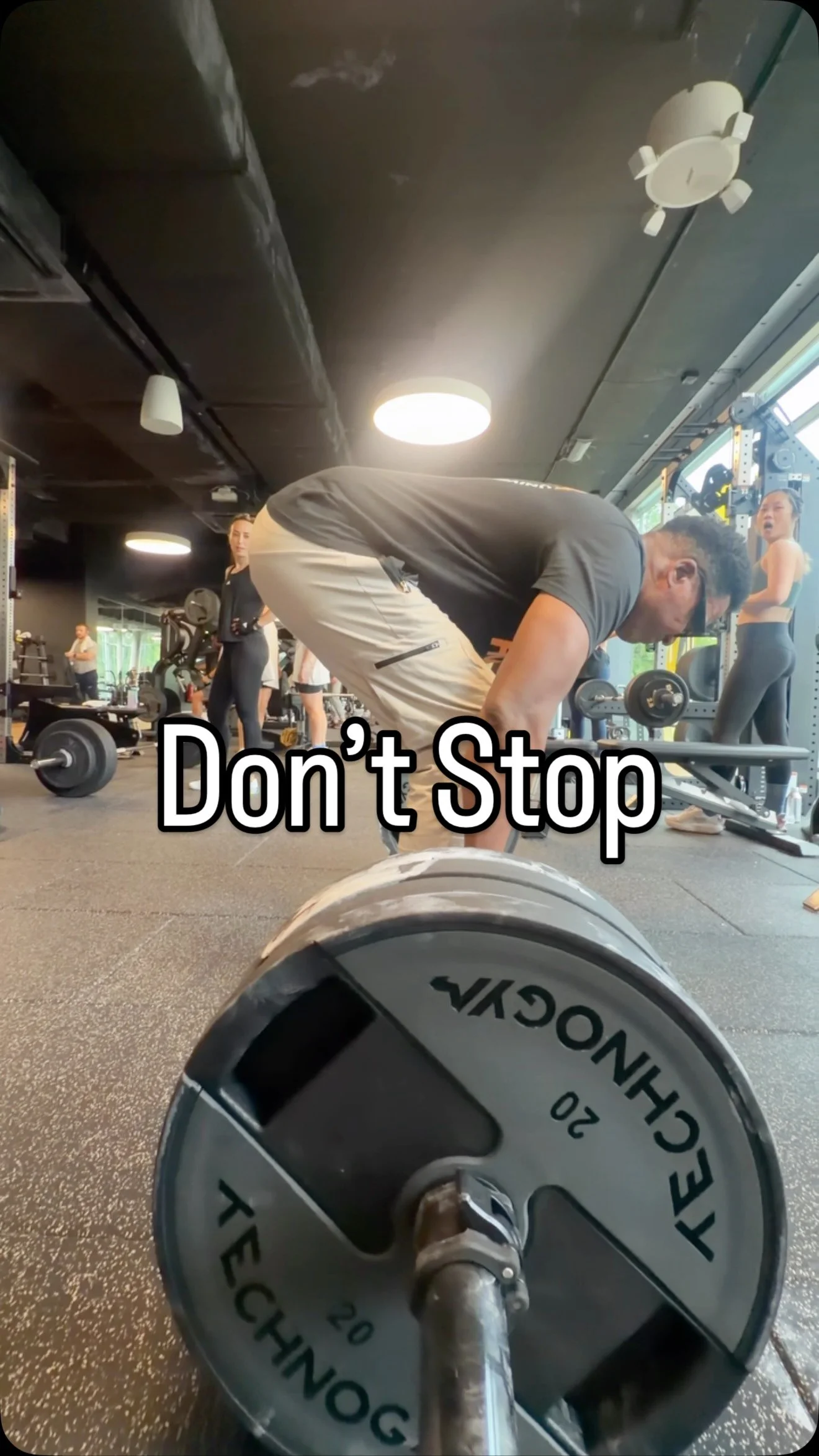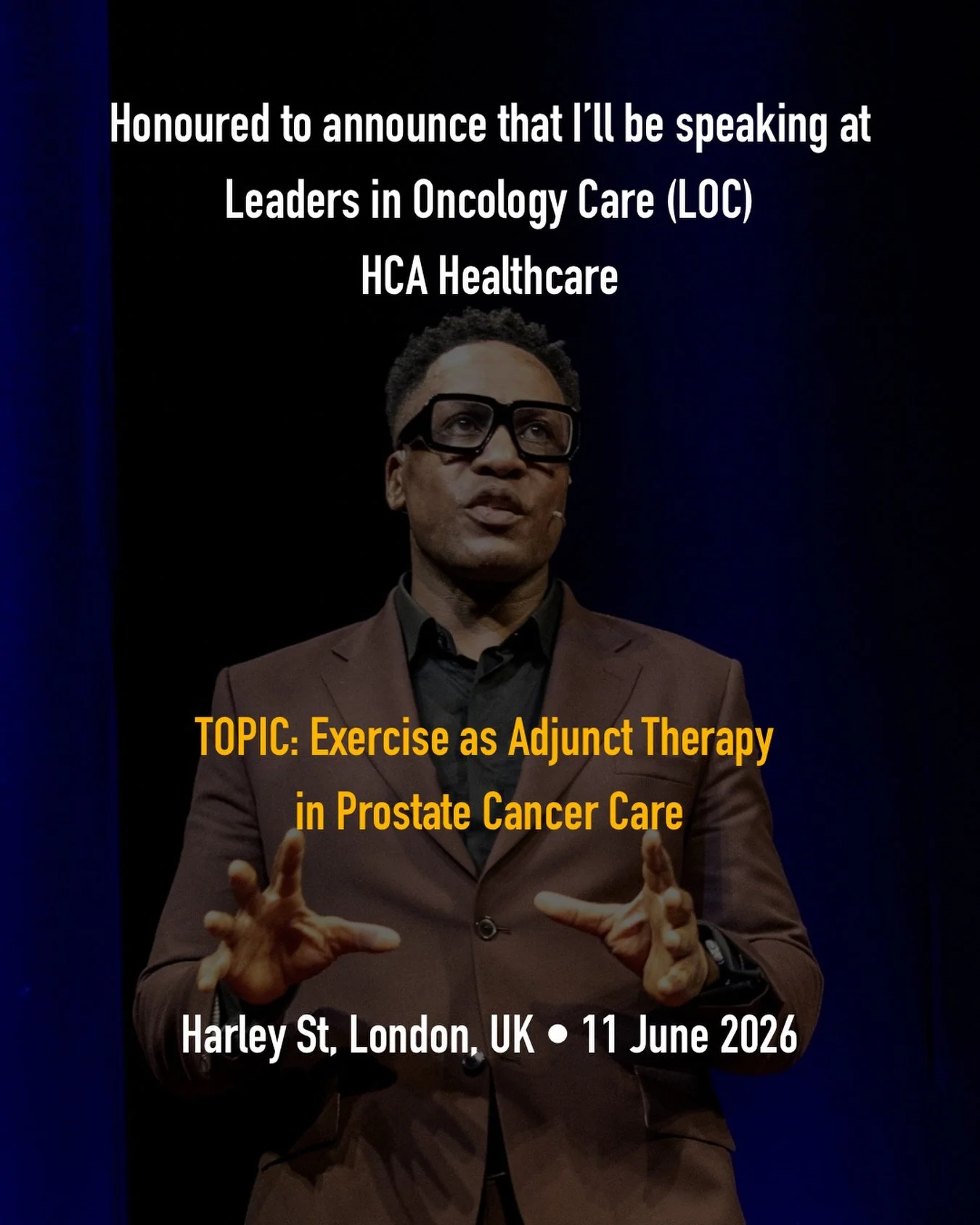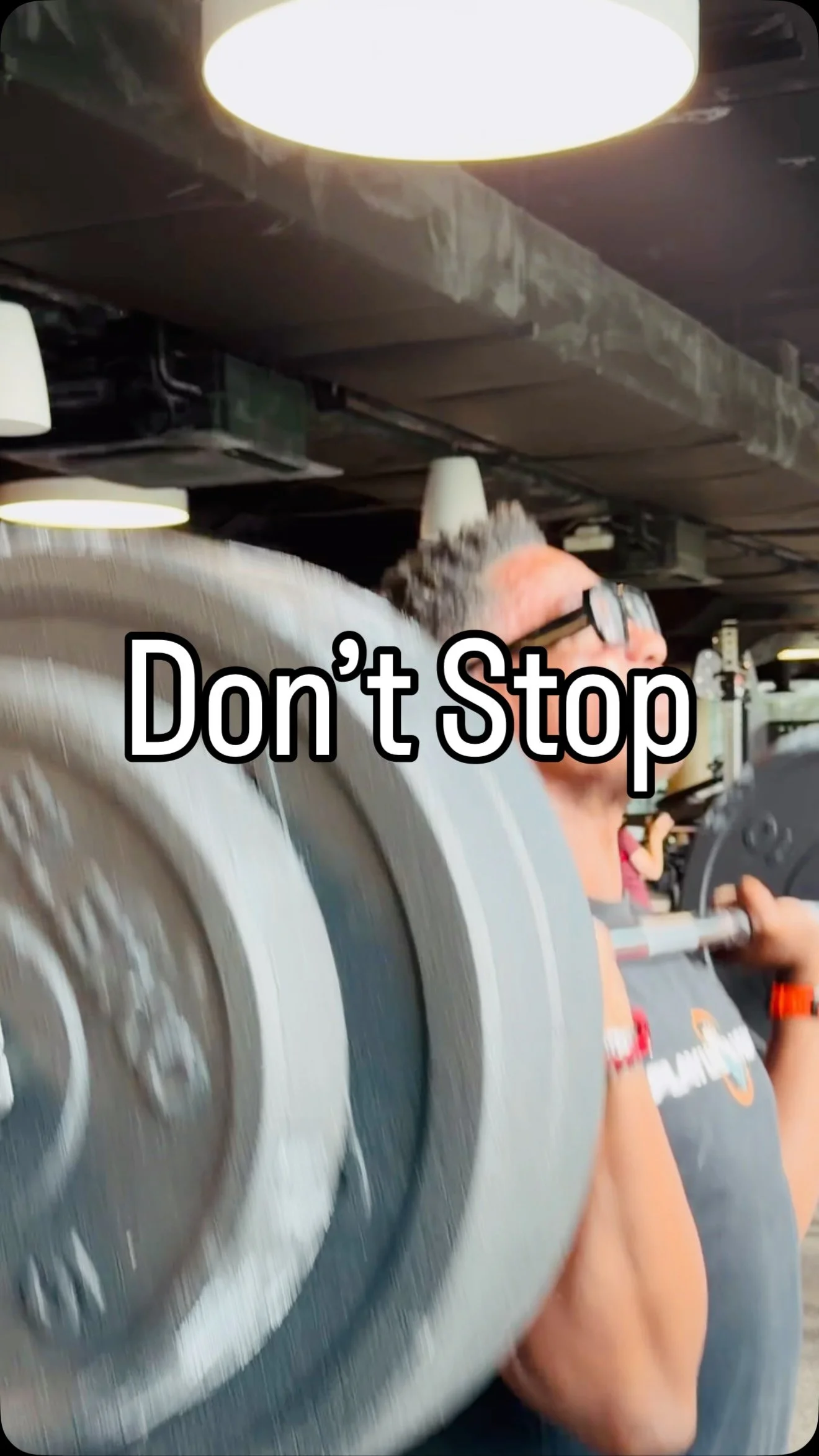

Personalised exercise oncology support for people living with and beyond cancer, available online and in Chiswick, West London.
Movement Oncology™ is Darryl Edwards’ specialist exercise oncology service for people living with and beyond cancer. It provides personalised, evidence-informed movement support before, during and after cancer treatment, including surgery, chemotherapy, radiotherapy, hormone therapy, immunotherapy and survivorship.
It is designed for people who want safe, personalised exercise oncology support alongside their oncology team, rather than generic fitness advice.
Exercise can be adapted to your diagnosis, treatment stage, fatigue, pain, strength, mobility, confidence and medical guidance. Where relevant, support may also include lifestyle factors that affect recovery and adherence, such as nutrition, supplement use, sleep, stress, and daily routines. This support is suitable for people who feel unsure where to start, are worried about fatigue, are concerned about losing strength, or are looking for safe movement guidance alongside oncology care.
Support is available online across the UK and internationally, with in-person sessions available in Chiswick, West London.
This is a private, self-funded service; patients can self-refer and book a free discovery call.
This service supports oncology care. It does not replace treatment, medical advice, physiotherapy, or rehabilitation prescribed by your clinical team.
Movement Oncology™ support is available through one-off consultations and structured support programmes. Options include an initial lifestyle assessment, focused follow-up consultations, a 3-Month Movement Oncology™ Support Programme and a 6-Month Movement Oncology™ Support Programme. Full package details and current prices are available on the packages page.
Packages and Prices

What is Movement Oncology™ support?
Movement Oncology™ support uses adapted movement, resistance training, aerobic activity, pacing and behaviour support to help people living with and beyond cancer move safely alongside clinical care.
Who Movement Oncology™ Support Is For
This support may suit you if you are living with or beyond cancer and want safe, personalised movement guidance.
It may be appropriate if you are:
• preparing for surgery or treatment
• receiving chemotherapy, radiotherapy, hormone therapy or immunotherapy
• recovering after treatment
• dealing with cancer-related fatigue
• losing strength, muscle or confidence
• unsure how much exercise is safe
• looking for online exercise oncology support
How Movement Oncology™ Support Works
You tell me your diagnosis, treatment stage, current symptoms, treatment effects, medical guidance, energy levels, movement history and what daily life currently feels like.
Where relevant, we also review nutrition, supplement use, sleep, stress and lifestyle factors that may affect fatigue, recovery, exercise tolerance and long-term habits.
We review strength, balance, mobility, confidence, fatigue, pain and activity tolerance.
Your movement plan may include resistance training, aerobic activity, mobility, balance, walking, pacing strategies and practical movement for daily function.
The plan is adapted for good weeks, low-energy weeks, treatment changes, recovery periods and clinical restrictions.
We review regularly, progress carefully and keep the aim clear: better strength, confidence, function and quality of life.
Outcomes We Aim For
| Outcome | What this means |
|---|---|
| Less movement uncertainty | You know what feels appropriate, what to avoid and when to seek clinical guidance |
| Better strength and function | We work on muscles and movements that support daily life |
| Fatigue-aware activity | You build capacity while respecting recovery |
| More confidence | You rebuild trust in your body after diagnosis or treatment |
| Improved daily capacity | Walking, stairs, lifting, balance and everyday tasks feel more manageable |
| Better survivorship habits | You create movement routines that can continue long term |
Safety, Screening and Medical Clearance
This service provides movement coaching and exercise oncology support. It does not diagnose cancer, treat cancer, prescribe medication, provide physiotherapy or replace medical advice from your oncology team, GP, specialist nurse, surgeon or physiotherapist.
Exercise recommendations are adapted to your diagnosis, treatment stage, current symptoms, clinical guidance, fitness level, confidence and preferences.
Medical clearance or clinical guidance may be needed if you have recent surgery, bone metastases (cancer spread to the bones), osteoporosis or fracture risk (weaker bones or higher risk of breaks), chest pain, unstable blood pressure, severe breathlessness, anaemia (low red blood cells), neutropenia (low white blood cells), infection risk, neuropathy (nerve pain, numbness or tingling), balance loss, falls risk, severe fatigue, dizziness, fever, uncontrolled pain or unexplained symptoms.
Evidence-Informed Support
Current evidence-based guidance and consensus statements support appropriately adapted aerobic and resistance exercise during and after cancer treatment.
This page draws on guidance from the American Society of Clinical Oncology (ASCO), American College of Sports Medicine (ACSM), European Society for Medical Oncology (ESMO) and Clinical Oncology Society of Australia (COSA) while recognising that exercise needs to be adapted to diagnosis, treatment stage, symptoms, safety considerations and clinical advice.
ASCO recommends aerobic and resistance exercise during active treatment with curative intent, where appropriate, to help reduce treatment-related side effects. ACSM’s international consensus statement reports sufficient evidence that exercise can improve physical fitness, physical function, quality of life and cancer-related fatigue in cancer survivors. ESMO’s cancer-related fatigue guideline recommends aerobic and resistance exercise for patients with cancer-related fatigue. COSA calls for exercise to be embedded as part of standard cancer care. Research after cancer diagnosis also links physical activity with lower recurrence and mortality risk, with the strongest and most consistent evidence in breast and colorectal cancer. Most evidence comes from large cohort studies and meta-analyses, with randomised trial evidence now emerging in colorectal cancer.
Landmark colorectal cancer trial
The CHALLENGE trial provides some of the strongest randomised evidence to date. In this phase III trial, 889 people with stage III or high-risk stage II colon cancer began a structured three-year exercise programme after surgery and adjuvant chemotherapy. Compared with health education alone, the exercise programme improved disease-free survival. Five-year disease-free survival was 80.3% in the exercise group versus 73.9% in the control group. The trial also reported findings consistent with longer overall survival, with eight-year overall survival of 90.3% versus 83.2%.
This evidence is specific to colon cancer after adjuvant chemotherapy, so it should not be applied as a guarantee across all cancer types. It does, however, strengthen the case for structured, personalised exercise as part of cancer survivorship care, adapted to diagnosis, treatment stage, symptoms, safety considerations and clinical guidance.
For Oncologists, Surgeons and Healthcare Professionals
Patients can self-refer or be signposted for private movement oncology support with Darryl Edwards.
Patients can access one-off consultations or structured 3-month and 6-month support programmes, depending on treatment stage, fatigue, function, goals and support needs.
Support is adapted to diagnosis, treatment stage, symptoms, energy levels, mobility, strength, confidence, medical guidance and clinical precautions. It supports oncology care and does not replace medical treatment, physiotherapy, rehabilitation, diagnosis or clinical review.
This may suit patients who need support with:
| Patient need | Movement Oncology™ support focus |
|---|---|
| Cancer-related fatigue | Graded activity, pacing, resistance training and aerobic progression |
| Deconditioning | Rebuilding strength, balance, mobility and confidence |
| Loss of muscle or strength | Progressive resistance training adapted to symptoms and treatment stage |
| Fear of movement | Education, graded exposure and confidence-building |
| Survivorship | Long-term physical activity habits and relapse prevention |
| Hormone therapy effects | Strength, function, body composition and fatigue-aware activity planning |
| Reduced confidence after treatment | Supported return to meaningful daily movement |
Medical clearance or clinical guidance may be requested before progressing exercise intensity where clinical risk is higher.
This may apply after recent surgery, during active treatment, or where there are bone, cardiovascular, neurological, immune, balance, anaemia, severe fatigue, severe breathlessness, infection risk, uncontrolled pain, dizziness or unexplained symptom concerns.
This is a private, self-funded service. Patients can self-refer, book a free discovery call, and complete an intake form before any coaching begins.
Why work with Darryl Edwards
Movement Oncology™ is Darryl’s specialist exercise oncology service, created to support safe, adapted, evidence-informed movement during cancer treatment, recovery and survivorship.
Darryl Edwards is a London-based exercise medicine and lifestyle medicine practitioner, movement coach, author, speaker and founder of the Primal Play Method®.
He brings 16 years of coaching experience across movement coaching, healthy ageing, strength, functional movement and long-term behaviour change, with specialist work in exercise oncology support.
His approach combines exercise medicine, lifestyle medicine, strength and conditioning, movement coaching and behaviour change support.
His professional credentials include ACSM Cancer Exercise Specialist®, FCIMSPA (Chartered), DFSEM(UK), FBSLM, DipExMed and CertLM. FCIMSPA denotes Fellow of the Chartered Institute for the Management of Sport and Physical Activity, and FBSLM denotes Fellow of the British Society of Lifestyle Medicine.
The Primal Play Method® informs how he adapts movement to confidence, motivation, function and enjoyment, while keeping safety and clinical guidance central.
What This Coaching is Not
This is not cancer treatment.
This is not physiotherapy or rehabilitation treatment.
This is not generic fitness programming.
This is not medical advice, diagnosis or medication guidance.
This is exercise oncology support and movement coaching designed to sit alongside your oncology care, clinical guidance and rehabilitation support where appropriate.
Ways to Access Movement Oncology™ Support
Movement Oncology™ support is available through one-off consultations and structured support programmes.
| Option | Best For |
|---|---|
| Initial Movement Oncology™ Lifestyle Assessment | A full review of diagnosis, treatment stage, symptoms, movement, nutrition, supplement use, fatigue, stress and lifestyle factors |
| 45-minute Follow-Up Consultation | Ongoing support to review progress, adapt your programme and address barriers |
| 30-minute Follow-Up Consultation | Focused support for progress reviews, accountability and plan adjustments |
| 3-Month Movement Oncology™ Support Programme | Structured support before, during or after cancer treatment, including regular consultations and email support between sessions |
| 6-Month Movement Oncology™ Support Programme | Longer-term support through treatment, recovery or survivorship, including regular consultations, email support and survivorship planning |
Consultations are delivered remotely by secure video call. In-person sessions may be available in Chiswick, West London, where appropriate.
Full package details and current prices are available on the Movement Oncology™ packages page.
Before coaching begins, you complete a short intake form covering diagnosis, treatment stage, current treatment, fatigue, pain, mobility, balance, precautions and current medical guidance. This helps ensure support is appropriate and adapted to your situation.
Breast Cancer Exercise Oncology Support
Movement Oncology™ can support people before and after breast cancer surgery, during chemotherapy or radiotherapy, and through hormone therapy or survivorship. Support may focus on strength, fatigue, mobility, confidence, gradual progression and safe return to activity alongside clinical guidance.
In breast cancer survivors, higher post-diagnosis physical activity is consistently associated with better survival outcomes and lower recurrence or mortality risk in observational research.
Prostate Cancer Exercise Oncology Support
Movement Oncology™ can support people during and after prostate cancer treatment, including surgery, radiotherapy, chemotherapy, androgen deprivation therapy and survivorship. Support may focus on strength, muscle loss, fatigue, metabolic health, balance, confidence and long-term movement habits.
Research links regular physical activity after prostate cancer diagnosis with better outcomes. In one large cohort study, men doing at least 3 hours per week of vigorous activity had a 61% lower risk of prostate cancer-specific death compared with men doing less than 1 hour per week. In another prospective study, men who walked briskly for at least 3 hours per week had a 57% lower rate of prostate cancer progression than men who walked at an easy pace for less than 3 hours per week. These findings support the role of regular movement as part of prostate cancer survivorship care.
[Book a free 15-minute discovery call]
For more on Darryl’s wider approach to movement, read about the Primal Play Method® and Movement Is Medicine.
Last updated: June 2026
Patient experience
Patient experiences are individual and do not guarantee outcomes. Movement Oncology™ supports exercise, movement and behaviour change alongside clinical care. It does not treat cancer or replace advice from your oncology team.“From my breast cancer diagnosis, Darryl understood each stage of treatment as a cancer exercise specialist. Working remotely, he gave me a clear movement plan for each phase: before surgery, after surgery, during chemotherapy and through radiotherapy.
He knew when to be cautious and when to progress, so I kept moving without overdoing it. He adapted strength and cardio to my energy each week and kept the focus on function.
His support helped me cope better through treatment and recovery, physically and mentally. He is now supporting me through hormone therapy, and I feel better equipped to stay strong and active.”
- Sophie S., 47, breast cancer survivorship
“After prostate cancer treatment and hormone therapy, I noticed changes in strength, energy and confidence. Darryl gave me a clear plan that helped me rebuild gradually.
The work felt safe and practical. I appreciated having support that understood fatigue and did not treat me like a generic fitness client.”
- Michael R., 68, prostate cancer survivorship
“I came to Darryl after chemotherapy feeling deconditioned, tired and unsure what my body could handle. I had been told movement could help, but I did not know how to start without overdoing it.
Darryl helped me understand what was appropriate for where I was. We worked on gentle strength, walking goals, mobility and recovery days. On lower-energy weeks, the plan changed. On better weeks, we progressed.
That flexibility made the biggest difference. I stopped seeing movement as another thing I was failing at and started using it as a way to feel more capable again. I still have ups and downs, but I now have a structure I trust.”
- Aisha K., 41, colorectal cancer recovery
“After lymphoma treatment, I felt weaker than I expected. My energy changed from week to week, and I was unsure how much movement was ok to do.
Darryl helped me start gently and build confidence without ignoring fatigue. The plan adapted around my recovery, symptoms and medical guidance. Some weeks were about light strength work and walking. Other weeks were about pacing, mobility and doing less without feeling like I had failed.
What helped most was having someone who understood that recovery is not linear. I felt stronger, more capable, and less anxious about moving again.”
- Christopher K., 70, lymphoma recovery
“After radiotherapy and androgen deprivation therapy for prostate cancer, I was advised to take it easy for a few years.
Darryl helped me understand how appropriate exercise could support me through treatment side effects. I worked with him consistently for three years.
It was one of the best decisions I made. I felt empowered, less helpless, and more in control of what I could do for myself.”
- Dave E., 51, prostate cancer, radiotherapy and ADT
“Darryl has been exceptionally supportive to me throughout my experience with cancer, starting immediately with my diagnosis of breast cancer.
He designed a personalized exercise program for me to prehab me before treatment began to improve my chances of success and recovery. I was able to continue exercising during chemotherapy (with a tailored exercise guidance taking into account my specific medication regimen and schedule). This reduced my fatigue and improved my mood throughout chemotherapy. And my response to chemotherapy was better than expected, I believe at least partially due to me being physically active throughout chemotherapy.
Then we focused on strength and cardio before my mastectomy with axillary clearance. Then he indirectly collaborated with my physiotherapist after the surgery to modify the exercise program to accommodate for any limitations due to the surgery.
With my hormonal treatment, he understood that my risk of cardiovascular disease and osteoporosis are increased. Thus, he adjusted the program considering the above.
I have had full confidence working with Darryl because I knew that everything that he suggested was safe and beneficial for me to do and he focused on getting maximum efficacy from whatever time and effort that I could dedicate to exercise. I honestly would not have been able to do this without his professional advice. His experience and expertise are broad and deep and I cannot recommend his services highly enough.
I wish everyone could work with Darryl from the moment of diagnosis.”
- Donna S., 47, ER+ breast cancer, surgery, chemotherapy and hormone therapy
“If you have cancer, this can help mentally and physically.
Darryl’s work was exactly what I needed after several weeks of radiation therapy. His sessions gave me more energy, helped me feel stronger, and I found I needed fewer naps.
I was unsure how remote coaching would feel, but it was not an issue. He adapts everything to your age, body, treatment history and current energy levels and set simple movement tasks between sessions. He also makes it enjoyable, which made it much easier to keep going.”
- Rachel M., 52, breast cancer treatment recovery
“Thank you for helping me through the toughest time in my life: before and after surgery and during treatment. Your sessions have been a lifeline. Working with you was very helpful and felt like a real gift.”
- Denis T., 57, prostate cancer recovery
FAQ
What is Movement Oncology™?
Movement Oncology™ is a specialist exercise oncology service created by Darryl Edwards to support people before, during and after cancer treatment. It provides personalised, evidence-informed movement guidance for people living with and beyond cancer, including those receiving chemotherapy, radiotherapy, surgery, hormone therapy, immunotherapy or active surveillance. The aim is to help you move safely, improve strength and function, manage cancer-related fatigue, rebuild confidence and support quality of life throughout treatment and survivorship.
Is Movement Oncology™ the same as exercise oncology?
Movement Oncology™ is Darryl Edwards’ branded exercise oncology service.
Exercise oncology is a clinical and research field that studies and applies physical activity and exercise before, during and after cancer treatment. Movement Oncology™ translates this evidence into personalised support for people living with and beyond cancer.
Support is adapted to your diagnosis, treatment stage, symptoms, fitness level and goals.
Can I access Movement Oncology™ online?
Yes. Movement Oncology™ provides online exercise oncology support across the UK and internationally. Remote sessions can include screening, coaching, programme design, progress reviews and symptom-aware adjustments.
Support is adapted to your diagnosis, treatment stage, symptoms, energy levels, equipment, space and goals.
What Movement Oncology™ support options are available?
Movement Oncology™ support is available as one-off consultations or structured support programmes. You can book an initial Movement Oncology™ Lifestyle Assessment, 45-minute follow-up consultations, 30-minute follow-up consultations, a 3-Month Movement Oncology™ Support Programme, or a 6-Month Movement Oncology™ Support Programme.
The support programmes include personalised movement guidance, progression reviews, symptom-aware adjustments and email support between consultations. Where relevant, support may also include nutrition, supplement, sleep and stress considerations that affect recovery, activity tolerance and long-term habits.
A free 15-minute discovery call is available first to discuss whether Movement Oncology™ support is appropriate for your diagnosis, treatment stage, symptoms and goals.
How do I know if Movement Oncology™ is right for me?
Movement Oncology™ may be appropriate if you want safe, personalised movement support before, during or after cancer treatment, and you are unsure how to exercise around fatigue, pain, weakness, treatment side effects or medical precautions. The free discovery call helps determine whether this support is suitable, or whether medical clearance or another clinical service is needed first.
What happens before coaching begins?
Before coaching begins, you complete an intake form covering your diagnosis, treatment stage, current treatment, fatigue, pain, mobility, balance, precautions and current medical guidance. This helps ensure support is appropriate, safe and adapted to your situation.
Can I exercise during cancer treatment?
Yes, but the type, dose, and timing should match your treatment stage, symptoms, and clinical guidance.
Can exercise help cancer-related fatigue?
Exercise can help reduce cancer-related fatigue when adapted and progressed appropriately. Support may include pacing, resistance training, aerobic activity, mobility work and recovery planning, adjusted to your treatment stage, symptoms and energy levels.
Can exercise reduce cancer recurrence or improve survival?
Exercise after a cancer diagnosis is associated with lower recurrence and mortality risk, with the strongest evidence currently seen in breast and colorectal cancer. Much of the evidence comes from large cohort studies and meta-analyses, where people who are more physically active after diagnosis tend to have better survival outcomes.
Randomised trial evidence is also emerging. In the CHALLENGE trial, people with stage III or high-risk stage II colon cancer who began a structured three-year exercise programme after surgery and adjuvant chemotherapy had better disease-free survival than those given health education alone.
The most practical target remains consistent with major physical activity guidance: aim for at least 150 minutes per week of moderate-intensity activity, plus resistance training at least twice per week, adapted to your diagnosis, treatment stage, symptoms and clinical guidance.
Movement Oncology™ uses this evidence carefully. Exercise can support fatigue, strength, physical function, treatment tolerance, quality of life and long-term health behaviours. It does not replace cancer treatment or guarantee changes in recurrence, survival or treatment response.
Can exercise support better prostate cancer outcomes?
Research links regular physical activity after prostate cancer diagnosis with better outcomes. In cohort studies, at least 3 hours per week of vigorous activity was associated with a 61% lower risk of prostate cancer-specific death, while brisk walking for at least 3 hours per week was associated with a 57% lower rate of prostate cancer progression. These findings are observational, meaning they show association rather than proof of cause and effect. They still support the role of regular movement as part of prostate cancer survivorship care.
Is the evidence the same for other cancers?
Evidence for physical activity after cancer diagnosis extends beyond breast, prostate and colorectal cancer, but the strength of evidence varies by cancer type.
For lung, ovarian, childhood-onset and other cancers, some studies show protective associations, but findings are less consistent and often affected by differences in cancer type, treatment stage, fitness, symptoms and study design.
Movement Oncology™ uses this evidence carefully. Exercise support is adapted to diagnosis, treatment stage, symptoms, medical guidance and safety considerations.
Do I need medical clearance?
Sometimes. Clearance may be needed after surgery, during active treatment, or where there are bone, heart, immune, nerve, balance or severe fatigue concerns. Please seek medical guidance before starting or increasing exercise if you have recent surgery, bone metastases (cancer spread to the bones), osteoporosis or fracture risk (weaker bones or higher risk of breaks), chest pain, unstable blood pressure, severe breathlessness, anaemia (low red blood cells), neutropenia (low white blood cells), infection risk, neuropathy (nerve pain, numbness or tingling), balance loss, falls risk, severe fatigue, dizziness, fever, uncontrolled pain or unexplained symptoms.
Can you support breast cancer patients?
Yes. Support can be adapted around surgery, chemotherapy, radiotherapy, hormone therapy, fatigue, confidence, and gradual return to activity. Research also links regular physical activity after breast cancer diagnosis with better survival outcomes and lower recurrence or mortality risk, although much of this evidence is observational.
Can you support prostate cancer patients?
Yes. Support can be adapted around surgery, radical prostatectomy, radiotherapy, chemotherapy, androgen deprivation therapy, fatigue, strength, muscle loss, balance, metabolic health and confidence. Research also links regular physical activity after prostate cancer diagnosis with better outcomes, including lower prostate cancer-specific mortality and lower progression risk in cohort studies. Much of this evidence is observational.
Do you support people with other cancer types?
Yes. Support may be adapted for people living with and beyond different cancer diagnoses, depending on treatment stage, symptoms, medical guidance, fatigue, strength, mobility, bone health, confidence and safety considerations.
What if I have lymphoedema risk?
Exercise may be appropriate, but progression should be cautious and aligned with clinical guidance.
What if I have bone metastases or osteoporosis?
Medical guidance is needed. Exercise selection, loading, impact, balance work, and spinal movements may need careful adaptation.
Is this physiotherapy?
No. This is exercise oncology support and movement coaching. I work alongside medical and rehabilitation professionals where appropriate.
Can clinicians signpost me?
Yes. Patients can self-refer or be signposted by their clinical team.
References
1. Ligibel JA, Bohlke K, May AM, et al. Exercise, diet, and weight management during cancer treatment: ASCO guideline. J Clin Oncol. 2022;40(22):2491-2507. doi:10.1200/JCO.22.00687.
2. Campbell KL, Winters-Stone KM, Wiskemann J, et al. Exercise guidelines for cancer survivors: consensus statement from international multidisciplinary roundtable. Med Sci Sports Exerc. 2019;51(11):2375-2390. doi:10.1249/MSS.0000000000002116.
3. Fabi A, Bhargava R, Fatigoni S, et al. Cancer-related fatigue: ESMO Clinical Practice Guidelines for diagnosis and treatment. Ann Oncol. 2020;31(6):713-723. doi:10.1016/j.annonc.2020.02.016.
4. Cormie P, Atkinson M, Bucci L, et al. Clinical Oncology Society of Australia position statement on exercise in cancer care. Med J Aust. 2018;209(4):184-187. doi:10.5694/mja18.00199.
5. Holmes MD, Chen WY, Feskanich D, Kroenke CH, Colditz GA. Physical activity and survival after breast cancer diagnosis. JAMA. 2005;293(20):2479-2486. doi:10.1001/jama.293.20.2479.
6. Cannioto R, Hutson A, Dighe S, et al. Physical activity before, during, and after chemotherapy for high-risk breast cancer: relationships with survival. J Natl Cancer Inst. 2021;113(1):54-63. doi:10.1093/jnci/djaa046.
7. Meyerhardt JA, Heseltine D, Niedzwiecki D, et al. Impact of physical activity on cancer recurrence and survival in patients with stage III colon cancer. J Clin Oncol. 2006;24(22):3535-3541. doi:10.1200/JCO.2006.06.0863.
8. Wu W, Guo F, Ye J, et al. Pre- and post-diagnosis physical activity is associated with survival benefits of colorectal cancer patients: a systematic review and meta-analysis. Oncotarget. 2016;7(32):52095-52103. doi:10.18632/oncotarget.10603.
9. Morishita S, Hamaue Y, Fukushima T, Tanaka T, Fu JB, Nakano J. Effect of exercise on mortality and recurrence in patients with cancer: a systematic review and meta-analysis. Integr Cancer Ther. 2020;19:1534735420917462. doi:10.1177/1534735420917462.
10. Kenfield SA, Stampfer MJ, Giovannucci E, Chan JM. Physical activity and survival after prostate cancer diagnosis in the Health Professionals Follow-Up Study. J Clin Oncol. 2011;29(6):726-732. doi:10.1200/JCO.2010.31.5226.
11. Richman EL, Kenfield SA, Stampfer MJ, Paciorek A, Carroll PR, Chan JM. Physical activity after diagnosis and risk of prostate cancer progression: data from the Cancer of the Prostate Strategic Urologic Research Endeavor. Cancer Res. 2011;71(11):3889-3895. doi:10.1158/0008-5472.CAN-10-3932.
12. Courneya KS, Booth CM, Gill S, et al. Structured exercise after adjuvant chemotherapy for colon cancer. N Engl J Med. 2025;393:23-34. doi:10.1056/NEJMoa2502760.
Ready to discuss Movement Oncology™ support?
Before coaching begins, you complete a short intake form covering diagnosis, treatment stage, current treatment, fatigue, pain, mobility, balance, precautions and current medical guidance. This helps ensure support is appropriate and adapted to your situation.